

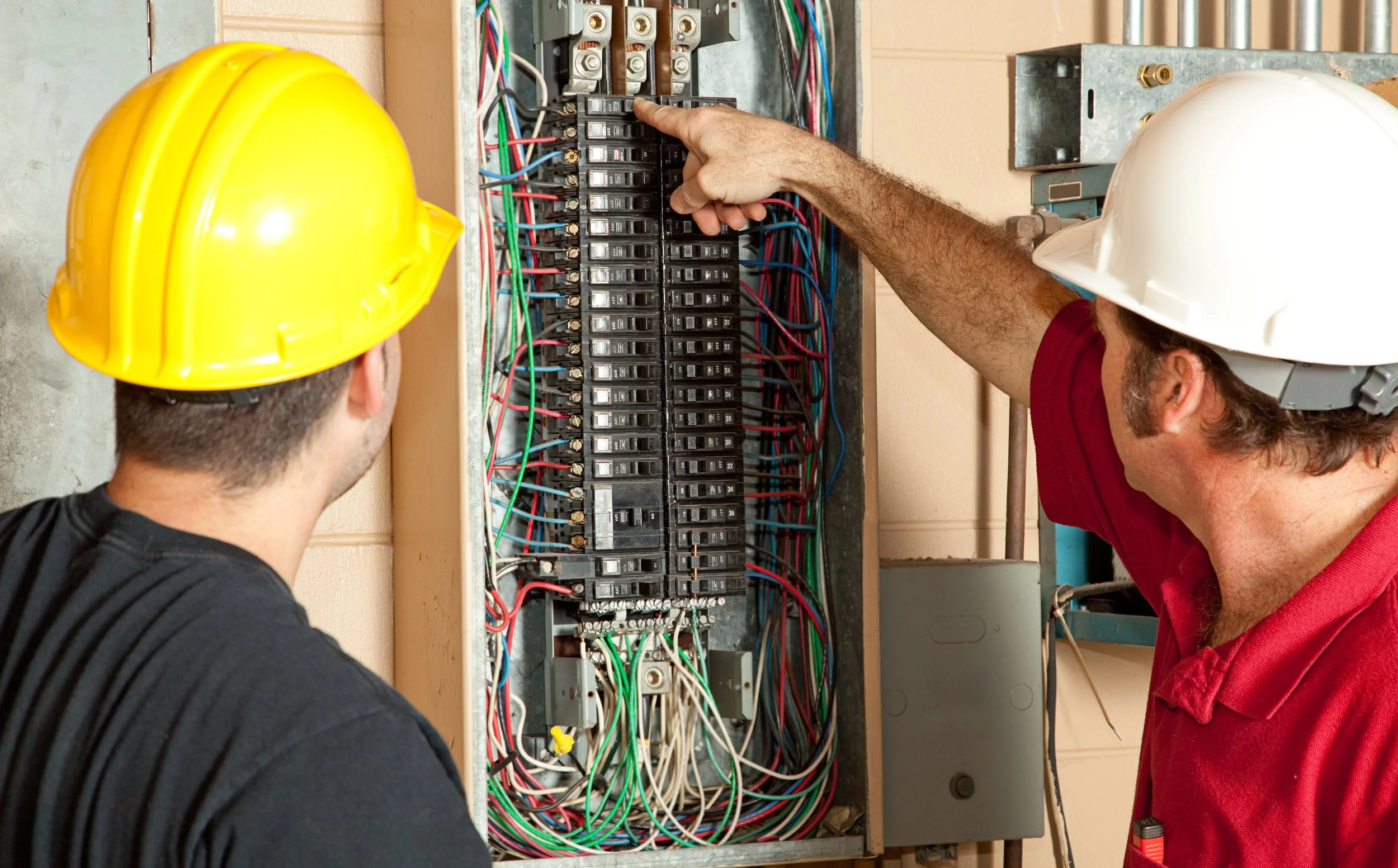
The Skills Employers Want – Beyond Electrical Qualifications
Discover the skills electrical employers value beyond qualifications, from communication and teamwork to reliability, problem-solving and a positive attitude.
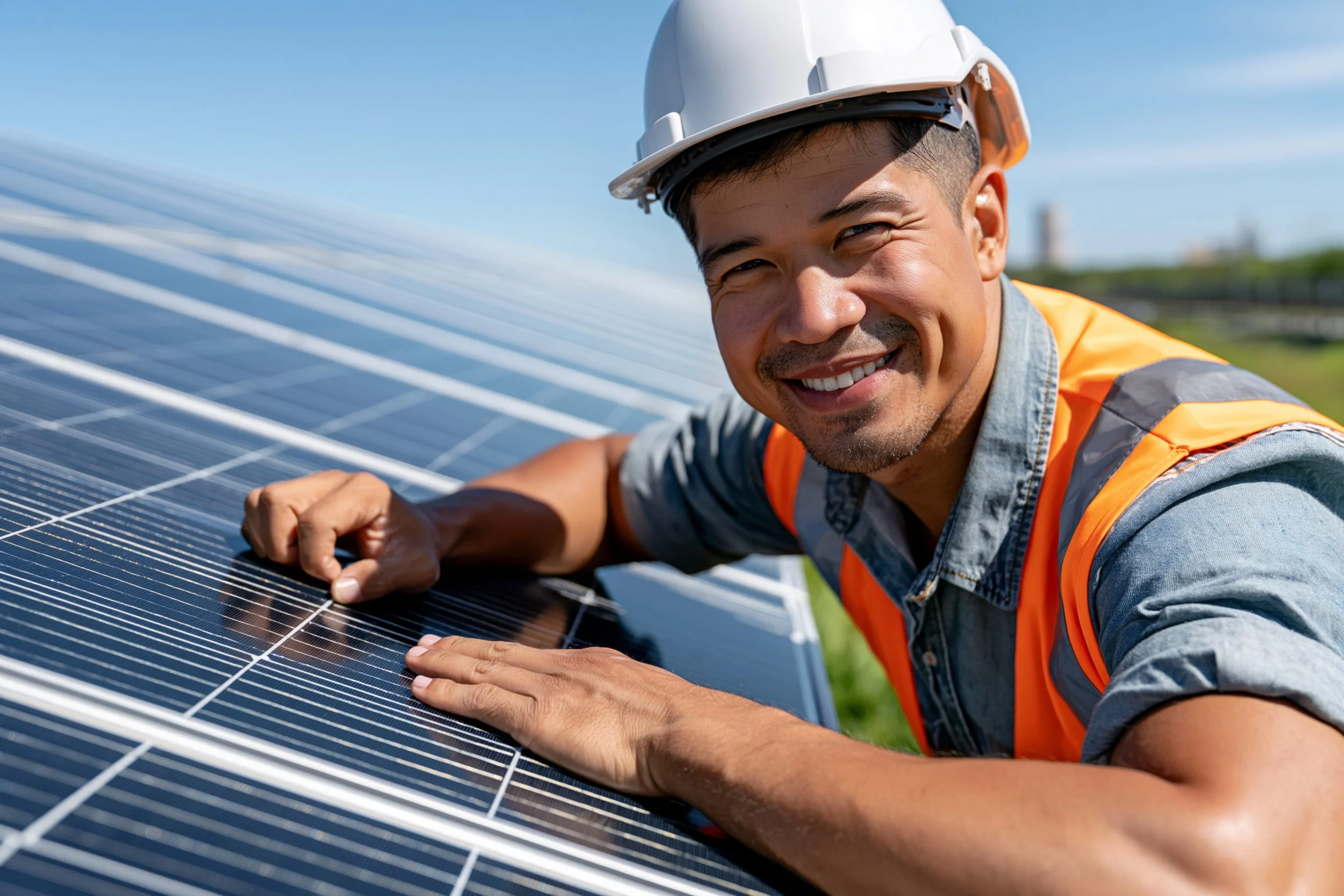
More Than Wiring: Why Electricians Will Be Central to the UK's Changing Energy Landscape
From EV charging and solar power to battery storage and electricity networks, discover why electrical skills will be increasingly important as the UK's energy landscape changes.
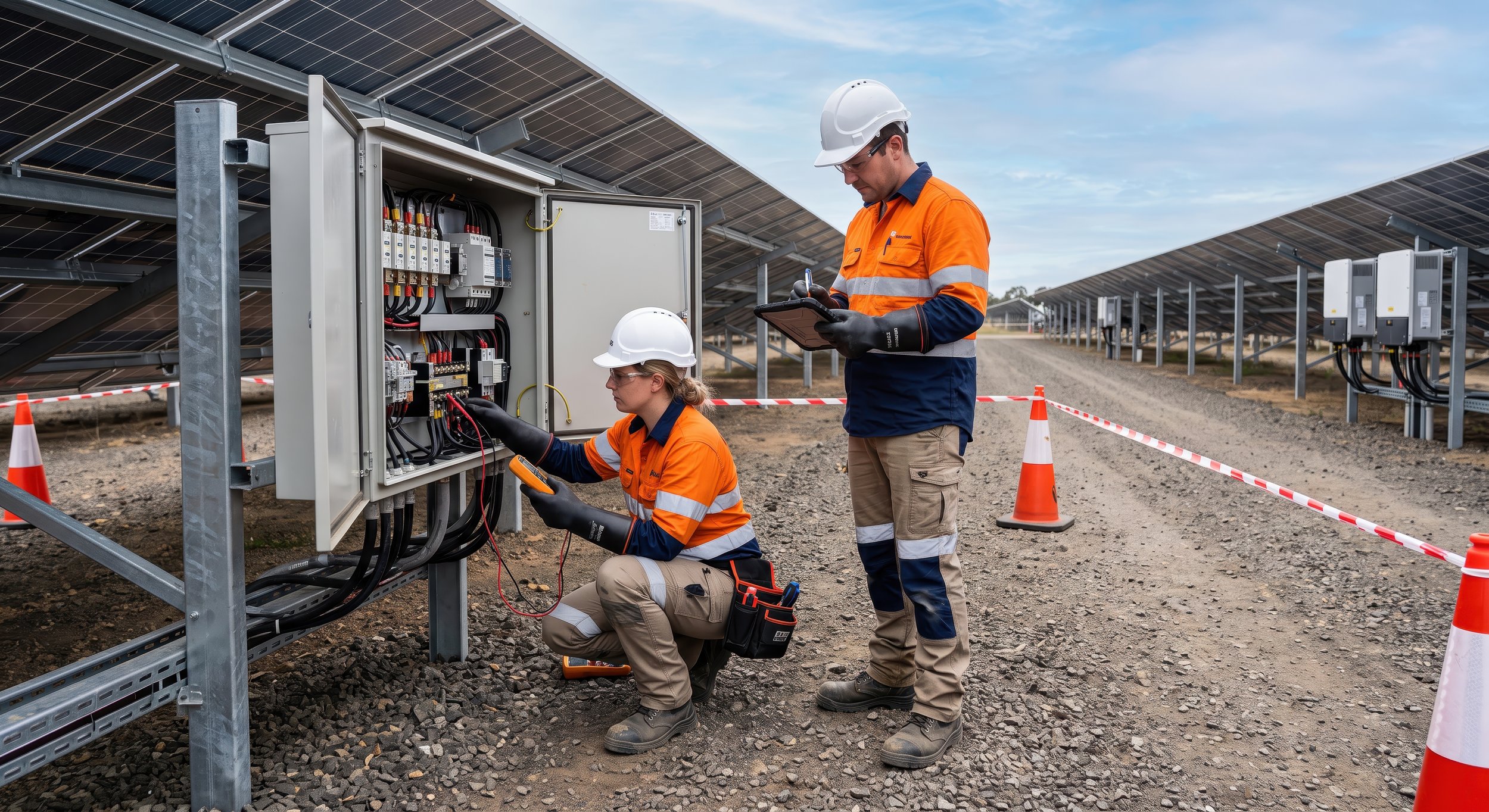
Where Can an Electrical Career Take You? More Places Than You Might Think
From renewable energy and smart buildings to data centres, testing and major infrastructure, discover where a career in the electrical industry could take you.
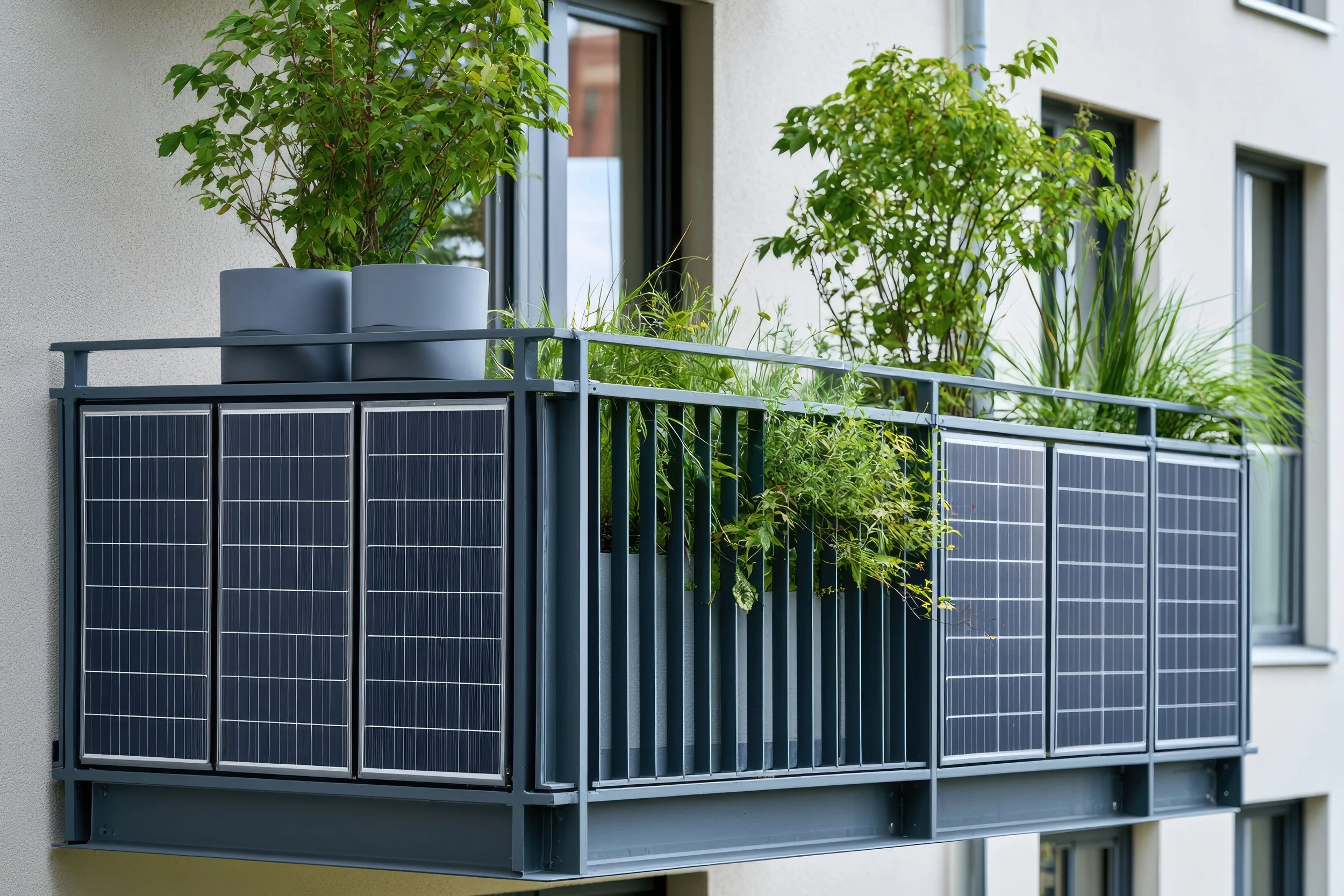
Plug-In Solar Is Coming to the UK – What Does It Mean for Electricians?
Plug-in solar panels are set to become legal in the UK from 27 August 2026. We look at how balcony solar works, the electrical safety questions being raised and what the technology could mean for electricians.
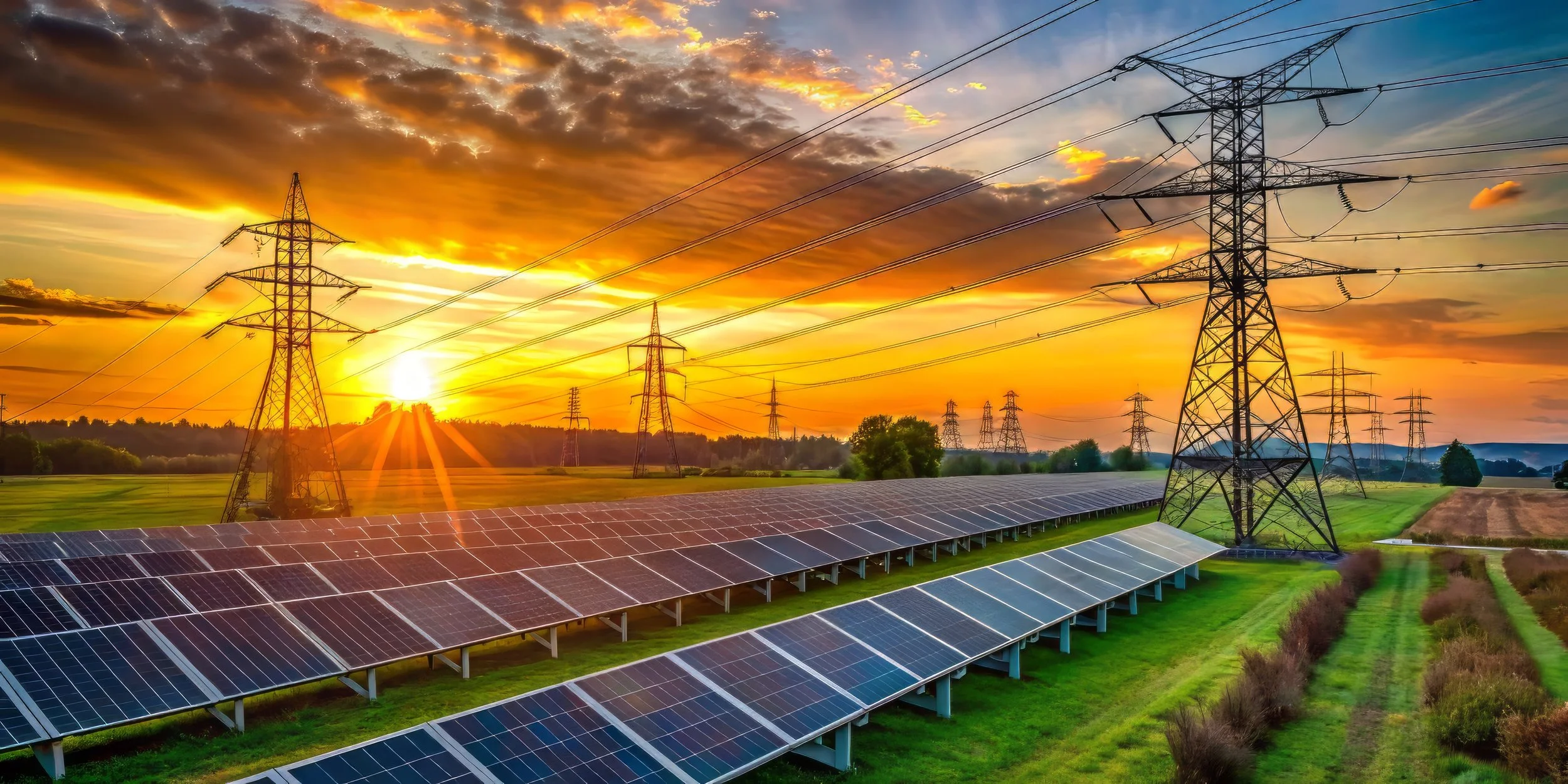
What the UK Heatwave Taught Us About Our Electricity Network
The recent UK heatwave highlighted the growing importance of resilient electrical infrastructure and why skilled electricians will play a vital role in building the UK's future energy network.
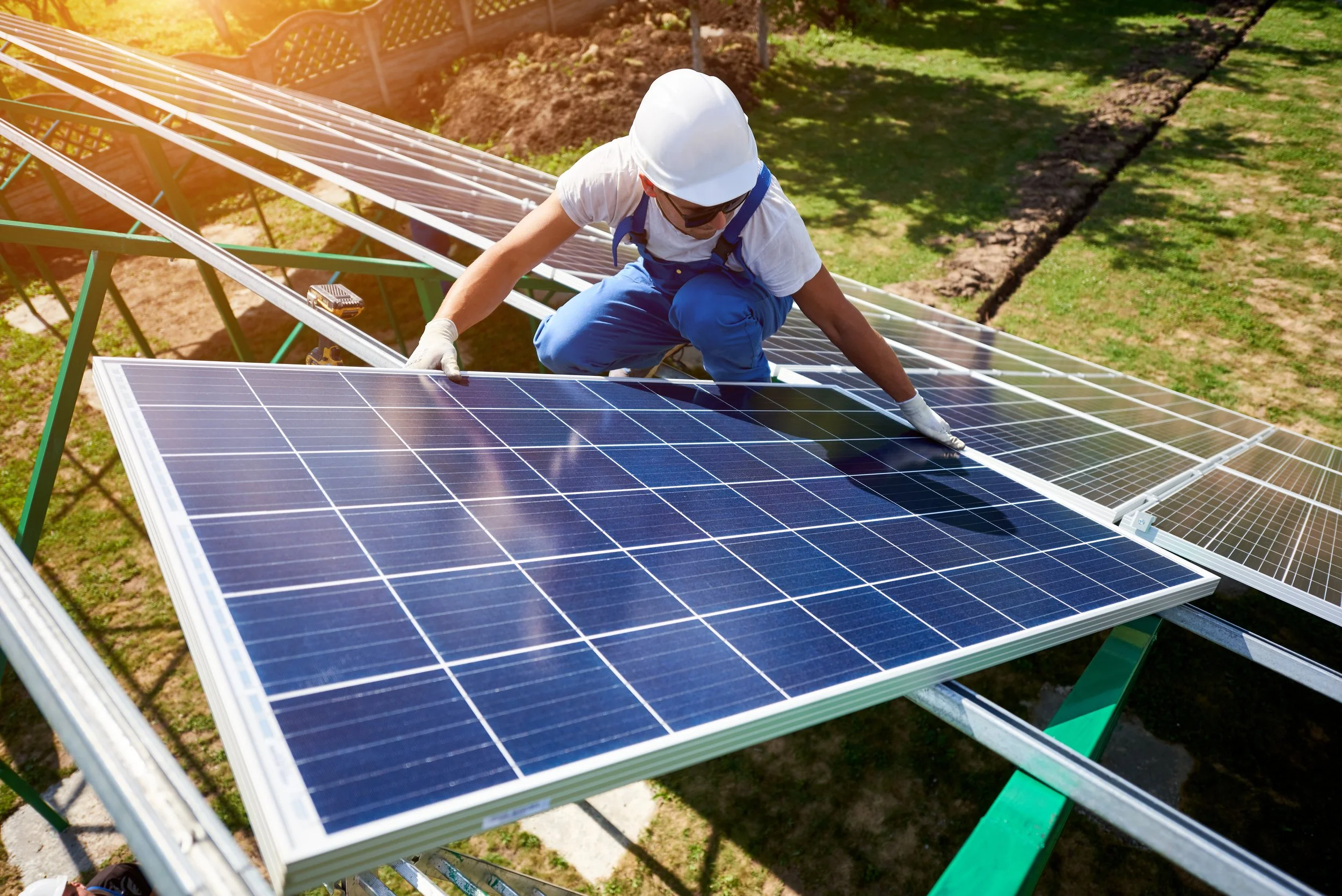
UK Green Economy Tops £100 Billion as Demand for Electrical Skills Continues to Grow
New research shows the UK's net zero economy is now worth more than £100 billion annually and supports 1.1 million jobs. Discover what this growth could mean for electricians and those entering the electrical industry.
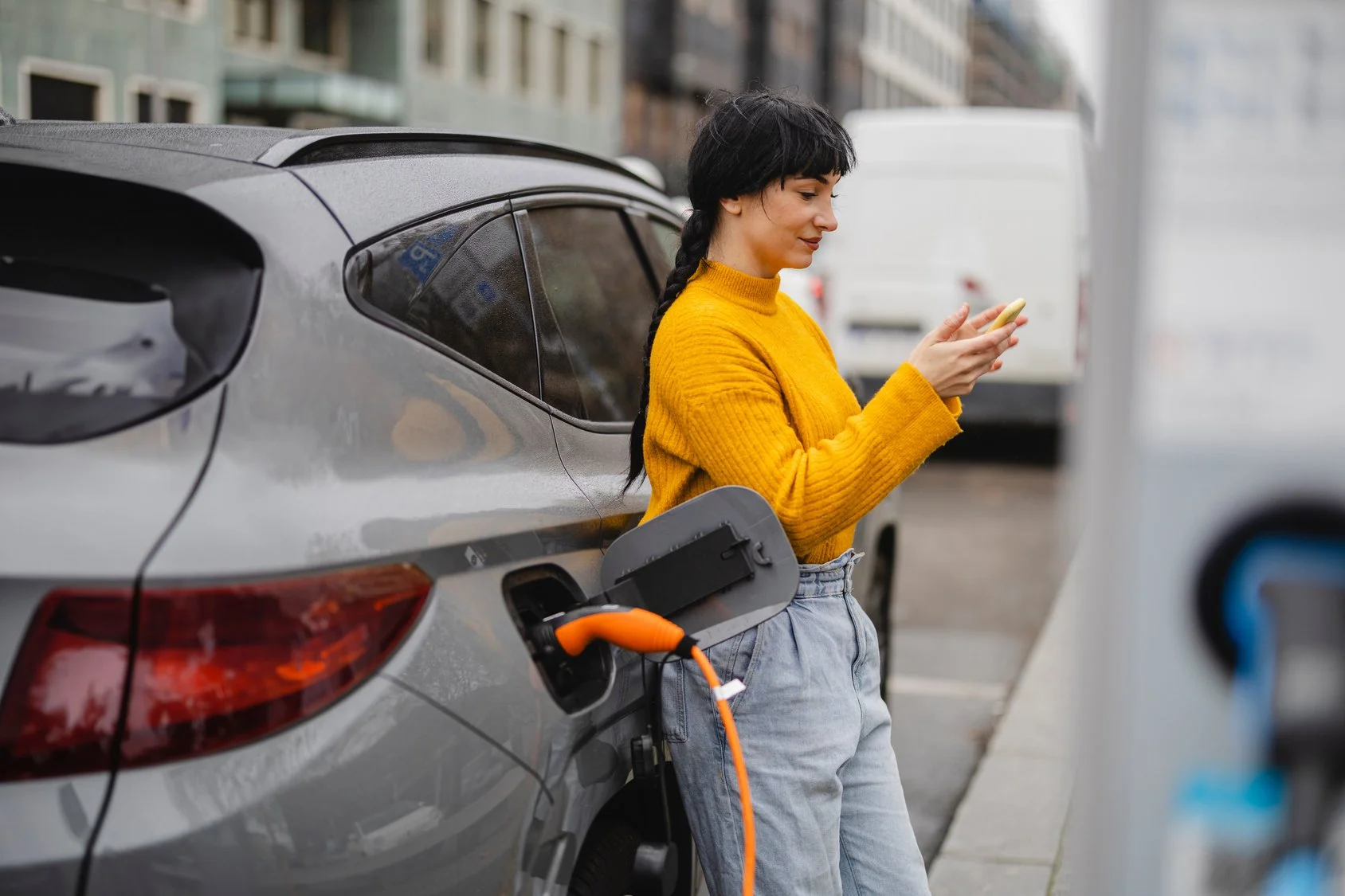
EVs Now Cheaper Than Petrol Cars: A Major Turning Point for the Industry
Electric vehicles are now cheaper to buy than petrol cars in the UK, marking a major shift in the automotive and electrical industries. This article explores what’s driving the price change, how it’s accelerating EV adoption, and what it means for electricians as demand for charging infrastructure and low-carbon technologies continues to grow.

Low carbon cement & AI powered emissions tracking, Inside Amazon’s first UK ‘net zero’ delivery station
Construction has begun on Amazon’s first UK delivery station designed to operate at net zero carbon emissions, marking a significant step in the decarbonisation of logistics infrastructure. The project integrates low carbon concrete to reduce embodied emissions at source, alongside AI powered carbon tracking systems that monitor construction activity in real time. Designed for high operational efficiency, the facility will incorporate rooftop solar generation, air source heat pumps and electric vehicle charging infrastructure to support Amazon’s growing EV fleet. Together, these measures position the scheme as a practical example of how material innovation, digital monitoring and electrified operations can converge to deliver next generation, low carbon industrial buildings in the UK.

Microsoft Celebrates 100% Renewable Electricity Milestone
Microsoft has reached a significant sustainability milestone, successfully matching 100% of its annual global electricity consumption with renewable energy, a target first set in 2020 as part of its wider commitment to become carbon negative by 2030. Achieved through large scale, long term Power Purchase Agreements across 26 countries, the company has contracted 40 gigawatts of new renewable capacity, helping bring substantial additional clean energy onto global grids. More than a symbolic achievement, this milestone reflects a strategic shift toward infrastructure backed decarbonisation, reduced reliance on short term certificate markets, and a forward looking transition toward 24, 7 carbon free energy sourcing. As electricity demand continues to rise, driven in part by rapid AI expansion, Microsoft’s approach signals how major organisations can pair digital growth with credible, system level energy transformation.