
Plug-In Solar Is Coming to the UK – What Does It Mean for Electricians?
A significant change to the UK's solar market is just weeks away. From 27 August 2026, new regulations will allow approved plug-in solar systems to be legally sold and used in UK homes – potentially making solar power accessible to many more households.
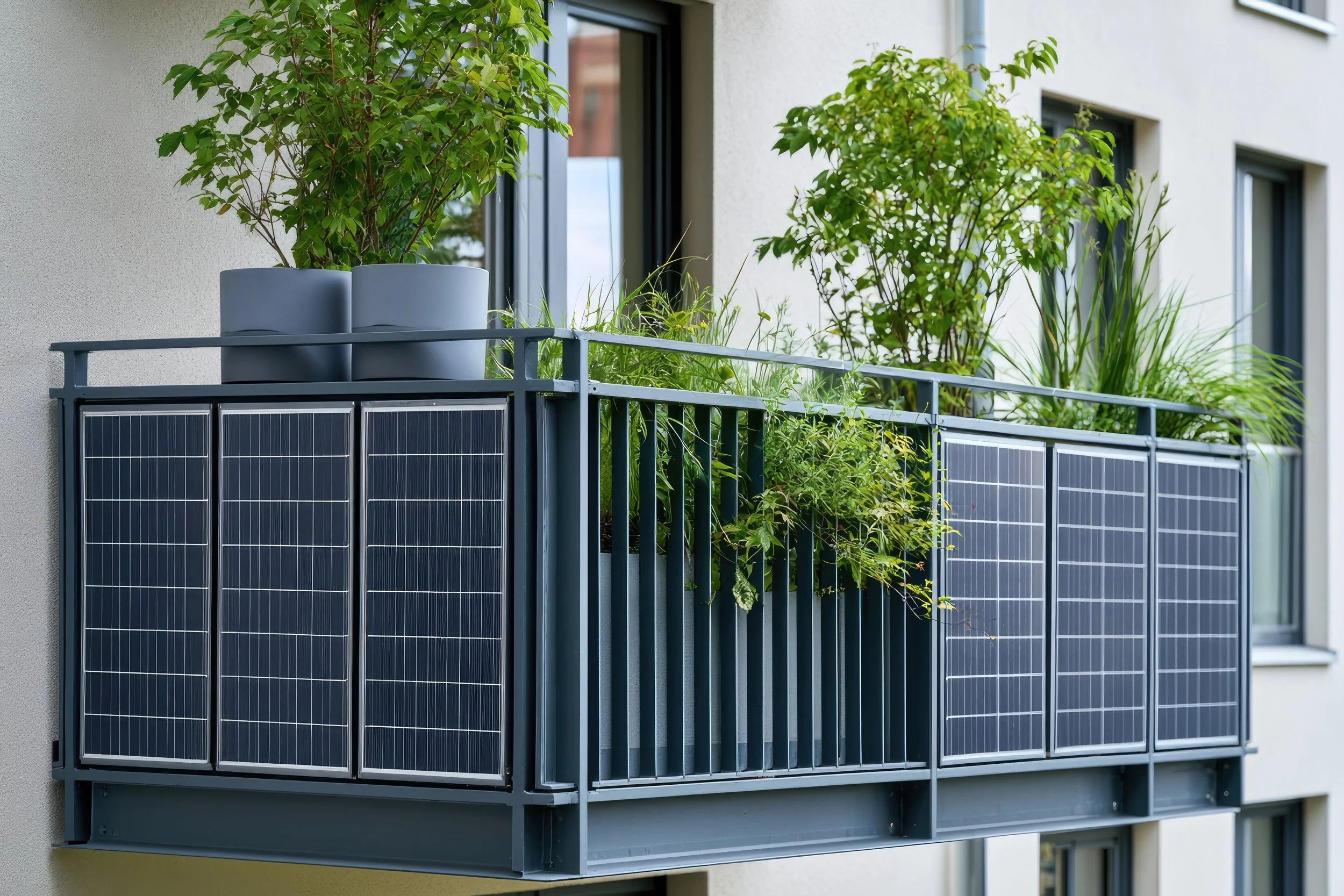
Sometimes referred to as “balcony solar”, these compact systems are already widely used in parts of Europe. Unlike traditional rooftop solar installations, plug-in systems are designed to be much simpler: panels can be positioned on balconies, walls or other suitable outdoor spaces, with the electricity generated fed into the home's electrical system through a mains socket.
The Government hopes the change will make solar accessible to people who might previously have been excluded – particularly renters and people living in flats or properties where conventional rooftop panels aren't practical.
A simpler route into solar
Under the new arrangements, compliant plug-in solar products will need to meet minimum technical and safety requirements. Systems are expected to typically have an output of up to 800W, considerably smaller than a conventional rooftop solar installation.
The appeal is easy to understand. Householders could potentially buy an approved system from a mainstream retailer, position the panels appropriately and begin generating some of their own electricity without the cost and disruption associated with a full rooftop installation.
But while the technology is designed to be straightforward for consumers, its arrival has also prompted an important discussion within the electrical industry.
Electrical safety remains important
In a joint statement issued in June, organisations including the Institution of Engineering and Technology (IET), Electrical Contractors' Association (ECA), Electrical Safety First and NICEIC raised concerns about connecting plug-in solar to existing domestic electrical installations.
One issue is the condition and age of existing wiring and protective devices. Electrical installations were not necessarily designed with electricity flowing into circuits from a plug-in generation source in mind.
The IET has therefore advised householders to consider having their electrical installation checked before using plug-in solar, particularly in older properties.
Could this create opportunities for electricians?
Although one of the main attractions of plug-in solar is that it does not require a conventional solar installation, that doesn't necessarily mean electricians will be removed from the picture.
As awareness grows, householders may seek professional advice about whether their existing installation is suitable. This could potentially lead to work involving electrical safety checks, RCDs and protective devices, consumer unit upgrades and the installation of suitable outdoor sockets.
For electricians and those currently training for the industry, plug-in solar is another example of how electrical work is continuing to evolve.
Solar PV, battery storage, EV charging and other low-carbon technologies are becoming increasingly familiar parts of the electrical landscape. Plug-in solar may be smaller and simpler than traditional PV – but it could soon become another technology that electricians are regularly asked about.
Thinking of Becoming a Qualified Electrician?
If you're interested in learning a skilled trade, why not train to become a certified professional?
At Optima, we provide comprehensive electrical training courses that equip you with the skills, qualifications, and confidence to work safely and legally in this vital industry.
Whether you’re just starting out or looking to expand your qualifications, our accredited training programmes will give you the knowledge, confidence, and credentials to meet new building standards and market demand.
✅ Hands-on training
✅ Industry-recognised certifications
✅ Expert instructors with real-world experience
✅ Courses tailored to upcoming regulations
Contact us today to embark on your training journey.
Contact us: Request Information
Email: info@optima-ect.com
Freephone +44 800 0371572