

PATHWAY TO PLACEMENT

Electrical contractors across the UK are facing increasing pressure from skills shortages, growing workloads and tight project deadlines.
However, increasing site capacity doesn’t have to mean committing to permanent staff, recruitment fees or long-term contracts. Optima’s Pathway to Placement programme gives businesses flexible access to reliable, semi-skilled electrical trainees ready to support your projects.
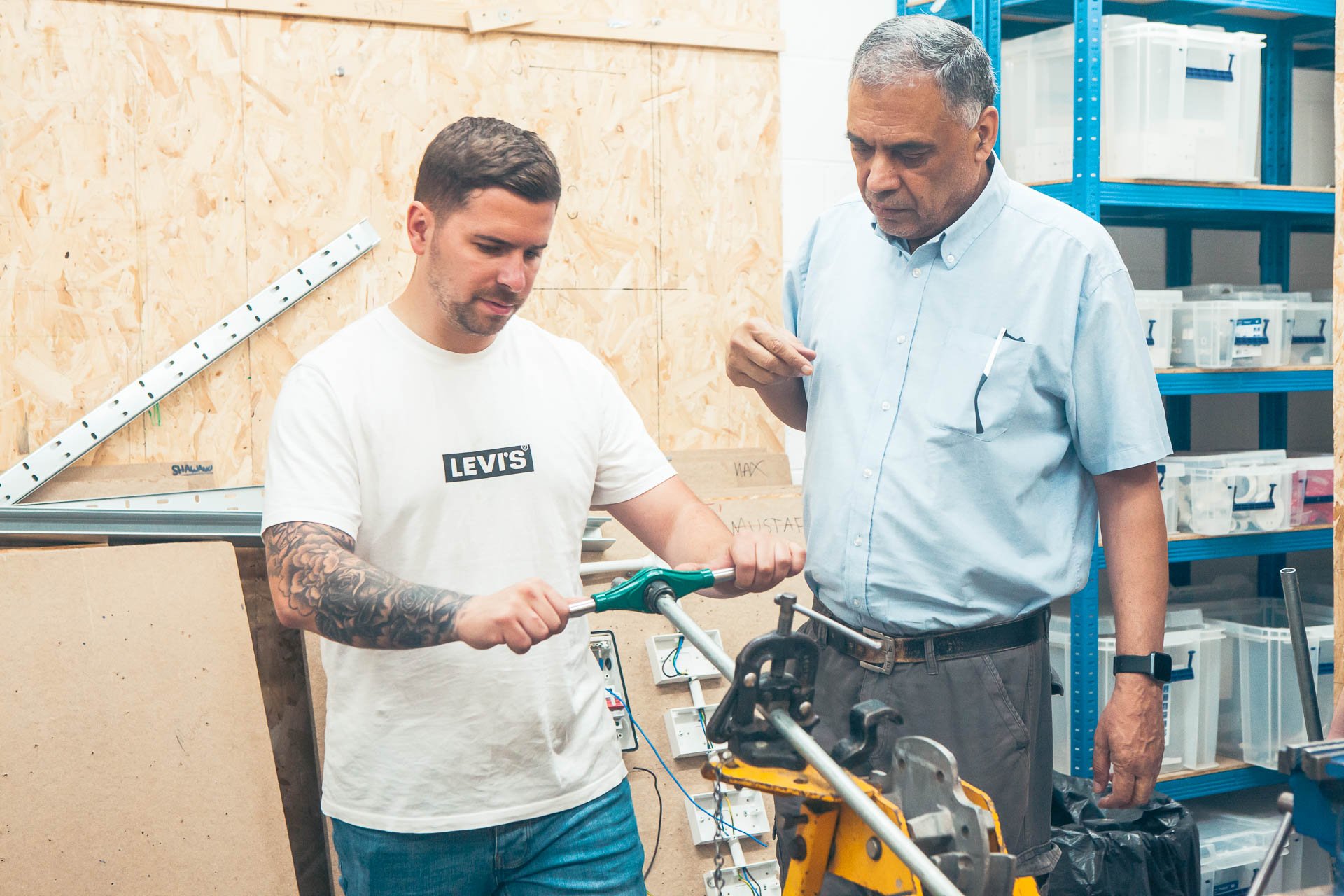
Optima Electrical Training is a City & Guilds approved training provider supporting adult career changers retraining as electricians. Our learners are motivated and dependable, and keen to gain practical on-site experience while progressing towards full qualification. Unlike many younger apprentices, Optima’s learners have real world experience and bring a broad range of valuable transferable skills
Support You Can Count On
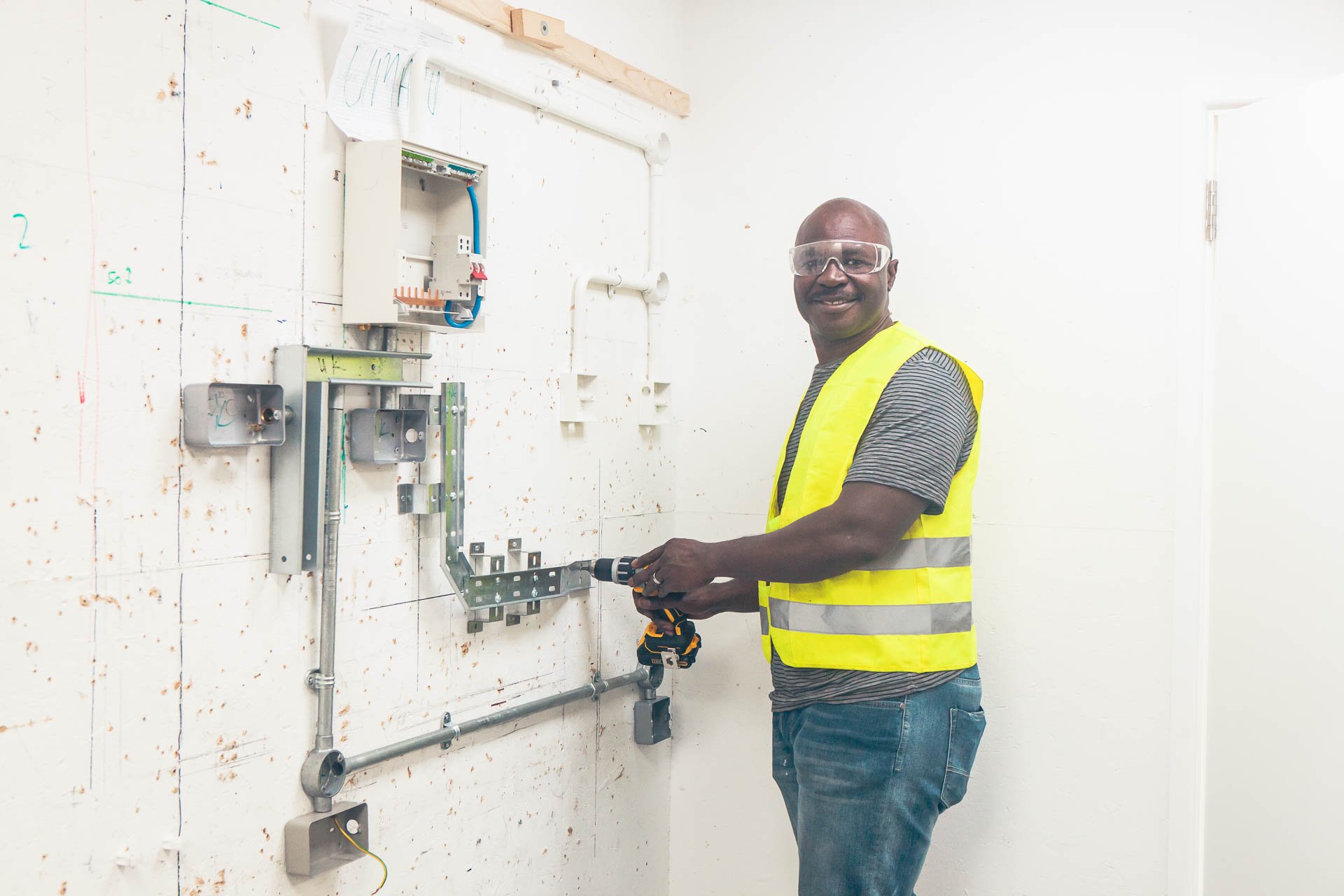
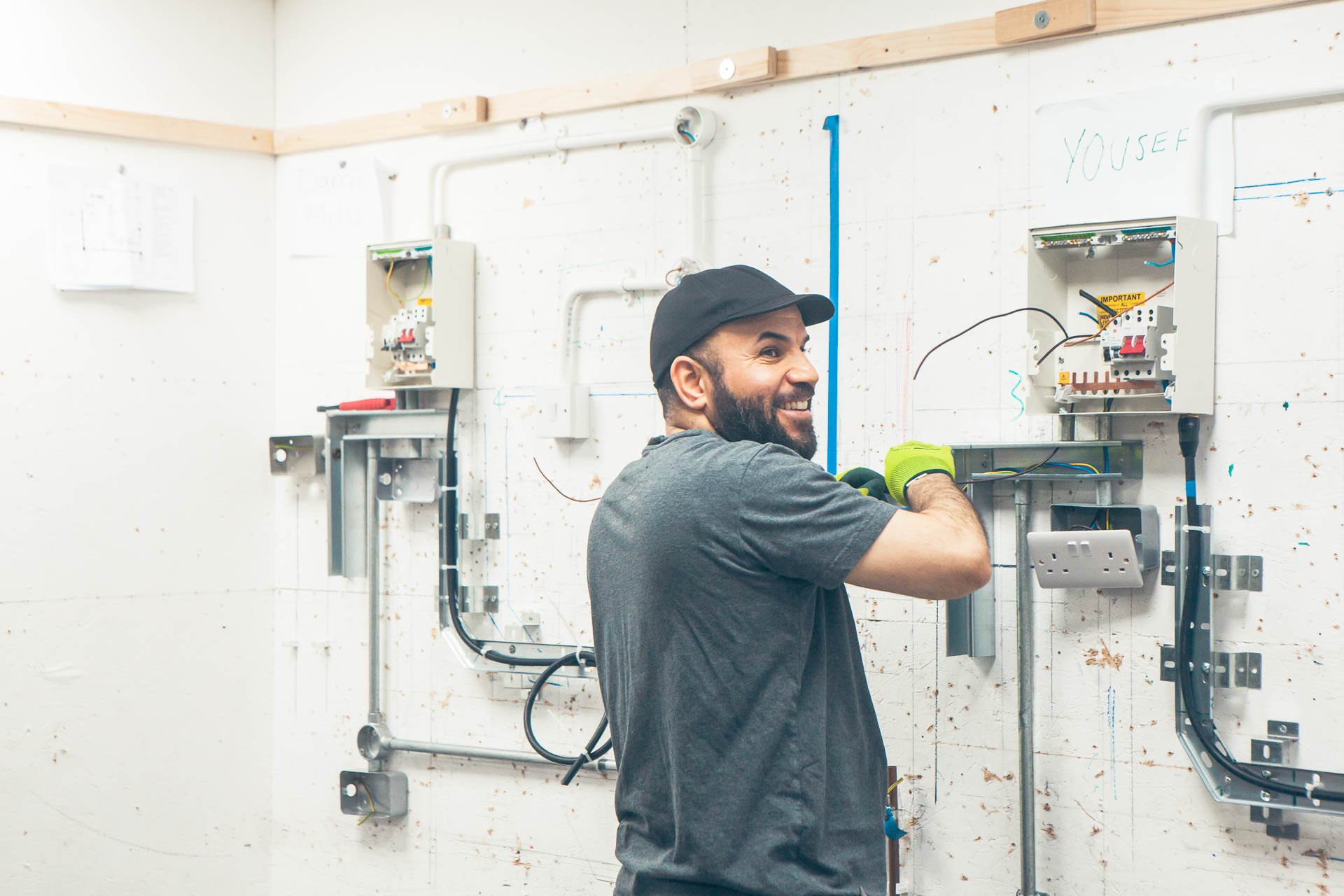
All our learners hold City & Guilds electrical qualifications and ECS Labourer cards. Some learners have previous site or trade experience and all have the training and skills to free up your qualified electricians time by supporting with:
1st and 2nd fixes
Cable pulling and containment
Preparation and installation work
Testing assistance
General on-site labour tasks
Access to Electrical Labourers & Improvers for your business, without recruitment fees or commitment.

Business Benefits
By working with Optima’s learners, your business can benefit from:
Flexible additional site support when workloads increase
Semi-skilled electrical labourers and Improvers available at short notice
Improved productivity and project efficiency
Reduced pressure on experienced electricians
Extra resource without recruitment costs or agency fees
Trial opportunities before making longer-term decisions
No Recruitment Fees. No Contracts. No Obligation.
Just simple, flexible and low-risk support as and when needed. Businesses can work with learners for a single day, for short-term projects or for long-term ongoing support. Businesses can choose to offer a week’s paid or unpaid trial period and then pay the trainees at a level commensurate with their experience and the business needs.
Join the growing number of businesses already working with Optima’s Pathway to Placement programme
Speak to our team today about flexible electrical labour support for your business.


A Managed Programme Designed Around Your Needs
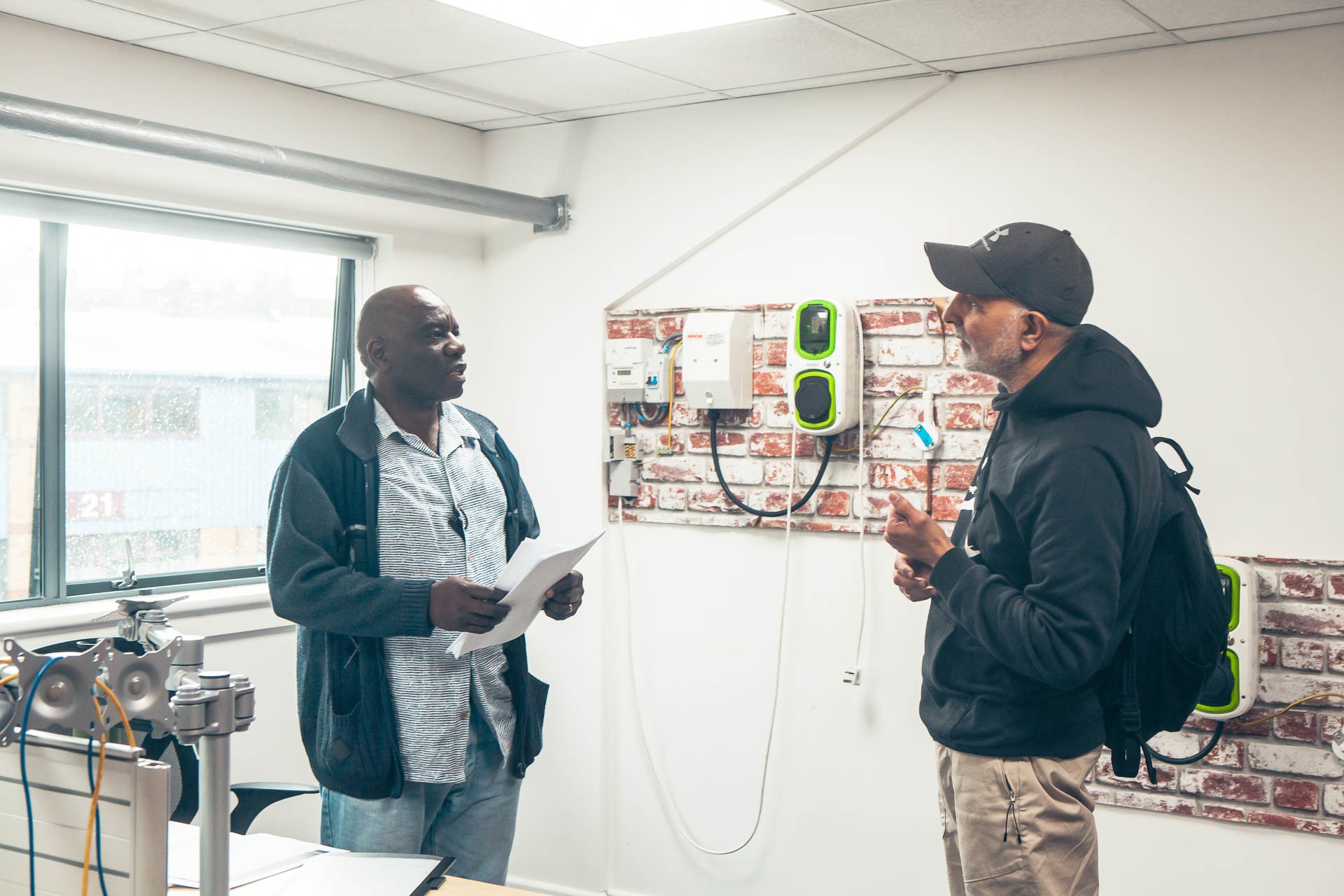
What makes Pathway to Placement different is that it’s a fully managed programme. Optima carefully assesses each learner’s qualifications, practical ability, attitude and work-readiness before matching them to suitable businesses. We can make taking on a trainee hassle free for you by supporting with a range of recruitment and onboarding tasks including:
Candidate shortlisting
Interview coordination
References
DBS checks
Initial introductions and placement support

What Our Business Partners and Students Say
Business Partners
“Communication throughout the process was excellent, and we received a high-quality trainee who is progressing well within the business.”
“The Pathway to Placement programme has worked very well for us.”
“No fee for placement!”
“We would be very happy to work with you again in the future to place further trainees.”
Students
“The service is amazing because it directly links us to the companies and eliminates other third parties (job agencies).”
“Although I learned testing with Optima in theory and practical classes, I got the chance to practise it in the real world. Thanks to my teachers, I had no problem doing the testing, fault finding and EICR.”
“Thank you for this opportunity.”





Speak with one of the team
Interested in speaking with someone? Feel free to initiate a chat with us now by clicking on the tab located at the lower right corner of this screen.