

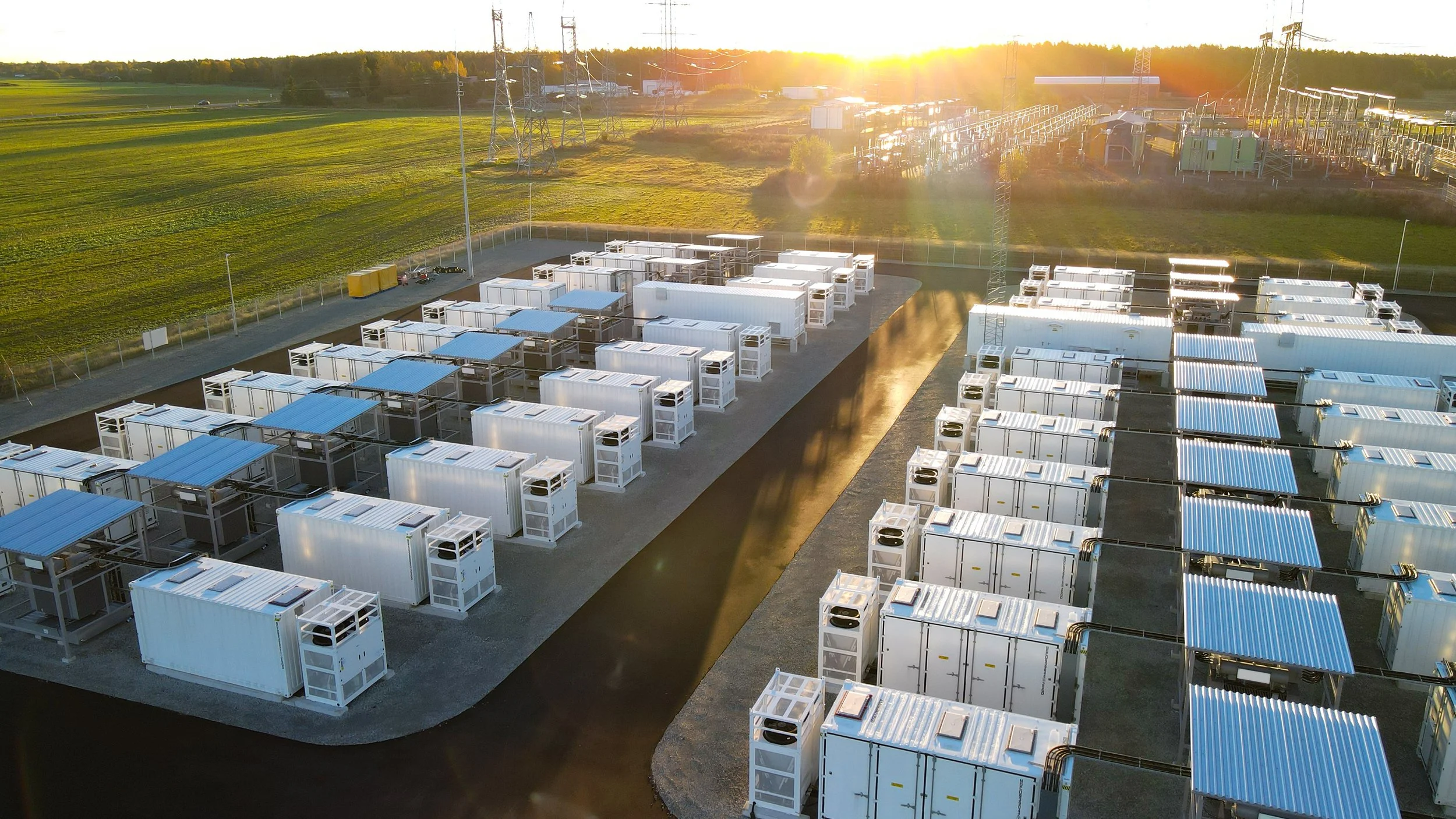
Europe's largest operational battery energy storage system has begun commercial operations at Hams Hall in North Warwickshire, marking a significant development for the UK's electricity infrastructure.
The project, located near Birmingham, officially entered commercial operation in late October 2026, with an announcement from energy storage operator BW ESS on 2 November.
With an initial capacity of 350 megawatts (MW) and 1,243 megawatt-hours (MWh), it is currently Europe's largest operational battery energy storage system by energy storage capacity.
The development highlights the increasing importance of large-scale energy storage as Britain expands renewable electricity generation. It also demonstrates the range of electrical engineering, installation, testing and maintenance expertise required to deliver major energy infrastructure projects.
What Makes the Hams Hall Project Significant?
Developed by BW ESS, the Hams Hall facility is located alongside National Grid's 400kV substation and is designed to help balance electricity supply and demand.
Battery energy storage systems (BESS) store electricity when it is available and release it back into the network when required.
This is particularly valuable as the UK generates increasing amounts of electricity from renewable sources such as wind and solar, where output varies according to weather conditions.
Hams Hall can store electricity generated during periods of high supply and discharge it when demand increases, helping to maintain stability across the electricity network.
The first phase provides 350MW of power capacity and 1,243MWh of energy storage. A planned second phase will increase this to 400MW and 1,424MWh.
At full capacity, BW ESS estimates that the facility could supply the equivalent electricity needs of approximately 1.3 million homes for up to 3.5 hours.
The Electrical Engineering Behind Battery Storage
Large-scale battery storage facilities involve considerably more than installing batteries.
Projects such as Hams Hall require extensive electrical infrastructure to connect storage equipment safely and efficiently to the electricity network.
This includes power conversion systems, transformers, switchgear, protection equipment, cabling, control systems and monitoring technology.
At Hams Hall, technology provider Sungrow supplied its PowerTitan 2.0 battery storage system. The project progressed from grid energisation to commercial operation in just 20 days, following extensive preparation, commissioning and testing.
The work involved specialist engineering teams, including electrical and operational technology engineers responsible for identifying technical issues, integrating systems and ensuring equipment was ready for operation.
The scale and complexity of the project demonstrate how electrical installation skills form part of a much wider engineering process.
What Opportunities Could Battery Storage Create for Electricians?
As battery storage infrastructure expands, it could generate opportunities for electrical professionals across several areas.
During construction, electrical contractors may be involved in installing cable containment, routing and terminating power cables, installing electrical equipment and assisting with the integration of control and monitoring systems.
Once facilities become operational, ongoing electrical work can include:
Inspection and testing: Checking electrical installations, connections and protective systems.
Maintenance: Supporting planned maintenance of switchgear, transformers, cabling and associated equipment.
Fault diagnosis: Identifying and investigating electrical faults affecting equipment and system performance.
System upgrades: Modifying or expanding existing electrical infrastructure as technology and operational requirements change.
Some activities, particularly those involving high-voltage equipment and specialist battery systems, require additional qualifications, training and authorisation.
However, the broader installation and maintenance work associated with these projects demonstrates the relevance of established electrical skills within emerging energy technologies.
A Growing Sector for the UK Electrical Industry
Hams Hall is not an isolated development.
BW ESS is also progressing another major battery storage project at Berkswell in Warwickshire, with a planned storage capacity of 857MWh. The company already operates a 331MWh facility at Bramley in Hampshire.
These projects form part of a wider expansion of energy storage infrastructure intended to support the UK's changing electricity requirements.
As renewable generation increases, the ability to store electricity and manage fluctuations in supply becomes increasingly important.
For the electrical industry, this means continued investment in infrastructure that requires skilled people to install, commission, operate and maintain electrical systems.
Although not every role within the sector will be suitable for someone entering the trade, the expansion of battery storage adds another potential career direction for those developing electrical qualifications and practical experience.
What Does This Mean for People Training as Electricians?
For adults considering a career change into the electrical industry, developments such as Hams Hall demonstrate how varied electrical work can be.
While domestic installation is often the most familiar route, electricians also work across commercial buildings, industrial facilities, infrastructure projects and energy installations.
The City & Guilds 2365 Level 2 and Level 3 Diplomas in Electrical Installation provide technical knowledge and practical foundations relevant to many of these environments.
Understanding electrical principles, wiring systems, cable selection, protective devices, inspection and testing, and safe working practices provides a basis for further development.
Gaining workplace experience and progressing towards a competence-based Level 3 qualification are important steps towards becoming a fully qualified electrician.
For those interested in renewable energy or large-scale infrastructure, experience in commercial or industrial electrical installation may also provide a useful route towards more specialist work.
A Significant Development for the Midlands
The opening of Hams Hall represents an important addition to the UK's electricity infrastructure and a notable achievement for the West Midlands.
It also highlights how the electrical industry is evolving as energy generation, storage and distribution become increasingly interconnected.
For experienced electricians, developments in battery storage may offer opportunities to broaden their technical expertise. For those entering the industry, they demonstrate the variety of career paths that can develop from a foundation in electrical installation.
As investment in energy storage continues, electrical skills will remain essential to building, maintaining and developing the infrastructure needed to support Britain's future electricity supply.
Thinking of Becoming a Qualified Electrician?
If you're interested in learning a skilled trade, why not train to become a certified professional?
At Optima, we provide comprehensive electrical training courses that equip you with the skills, qualifications, and confidence to work safely and legally in this vital industry.
Whether you’re just starting out or looking to expand your qualifications, our accredited training programmes will give you the knowledge, confidence, and credentials to meet new building standards and market demand.
✅ Hands-on training
✅ Industry-recognised certifications
✅ Expert instructors with real-world experience
✅ Courses tailored to upcoming regulations
Contact us today to embark on your training journey.
Contact us: Request Information
Email: info@optima-ect.com
Freephone +44 800 0371572