

What the UK Heatwave Taught Us About Our Electricity Network
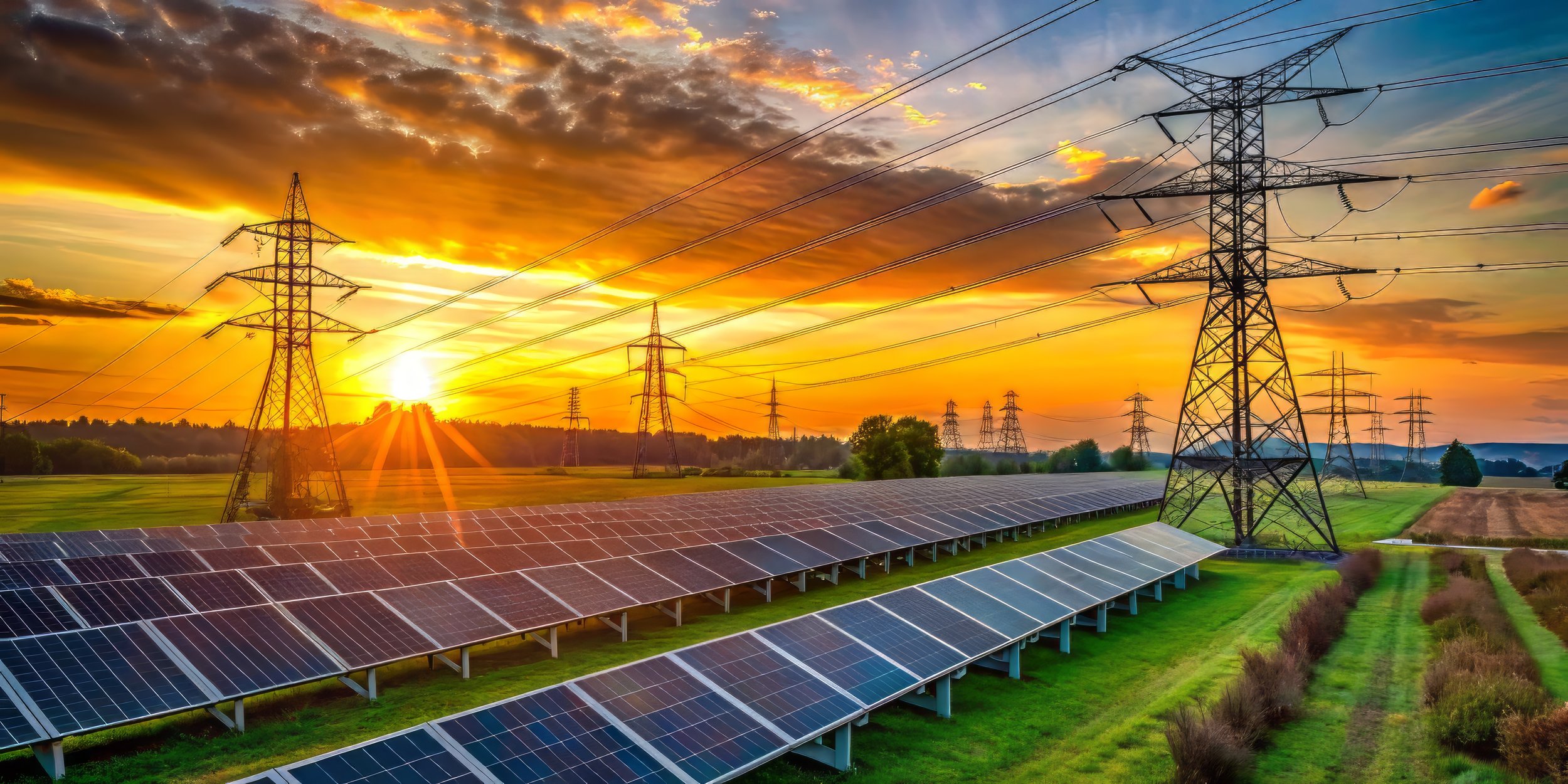
The recent heatwave across the UK brought soaring temperatures, health warnings and travel disruption, but it also highlighted an issue that received far less attention – the increasing pressure that extreme weather can place on our electricity network.
While winter has traditionally been the period of highest electricity demand, hotter summers are creating new challenges. As homes, offices and commercial buildings rely more heavily on cooling systems, refrigeration and ventilation, electricity demand rises. During the recent heatwave, Great Britain's electricity system operator took additional measures to secure power supplies and maintain healthy reserve margins as demand increased and some forms of electricity generation became less efficient in the extreme heat. (The Guardian)
High temperatures don't just affect how much electricity we use – they can also affect the equipment that delivers it. Transformers rely on cooling systems to prevent overheating, underground cables become less effective at dissipating heat as the surrounding ground warms up, and overhead power lines naturally expand and sag in higher temperatures. Although the UK's electricity network is designed with significant safety margins, prolonged periods of extreme heat can reduce operational flexibility and increase maintenance requirements. Engineers continually monitor these assets to ensure electricity continues to be delivered safely and reliably. (Reuters)
These challenges come at a time when Britain's electricity system is evolving rapidly. The increasing use of electric vehicles, heat pumps, battery storage, renewable energy generation and the rapid growth of data centres are all changing how electricity is generated, distributed and consumed. As the UK moves towards a lower-carbon economy, the network must become smarter, more flexible and more resilient to cope with changing demand and increasingly unpredictable weather. (Climate Change Committee)
Significant investment is already underway. New substations, upgraded transmission lines, digital monitoring systems and large-scale battery storage projects are helping to strengthen the electricity network and improve its resilience. These improvements will play a vital role in ensuring the UK can continue to deliver reliable power while supporting economic growth and the transition to cleaner energy.
For anyone considering a career in the electrical industry, the recent heatwave offers an important reminder that electricians are at the heart of this transformation. Installing, maintaining and upgrading electrical infrastructure has never been more important, and skilled professionals will be needed across domestic, commercial, industrial and renewable energy sectors.
Industry forecasts continue to show that the UK will require more than 100,000 additional qualified electricians by the early 2030s to meet future demand. As climate change, electrification and new technologies reshape the country's infrastructure, electricians won't simply be wiring buildings—they'll be helping to build a more resilient, reliable and sustainable electricity network for the future.
Thinking of Becoming a Qualified Electrician?
If you're interested in learning a skilled trade, why not train to become a certified professional?
At Optima, we provide comprehensive electrical training courses that equip you with the skills, qualifications, and confidence to work safely and legally in this vital industry.
Whether you’re just starting out or looking to expand your qualifications, our accredited training programmes will give you the knowledge, confidence, and credentials to meet new building standards and market demand.
✅ Hands-on training
✅ Industry-recognised certifications
✅ Expert instructors with real-world experience
✅ Courses tailored to upcoming regulations
Contact us today to embark on your training journey.
Contact us: Request Information
Email: info@optima-ect.com
Freephone +44 800 0371572