

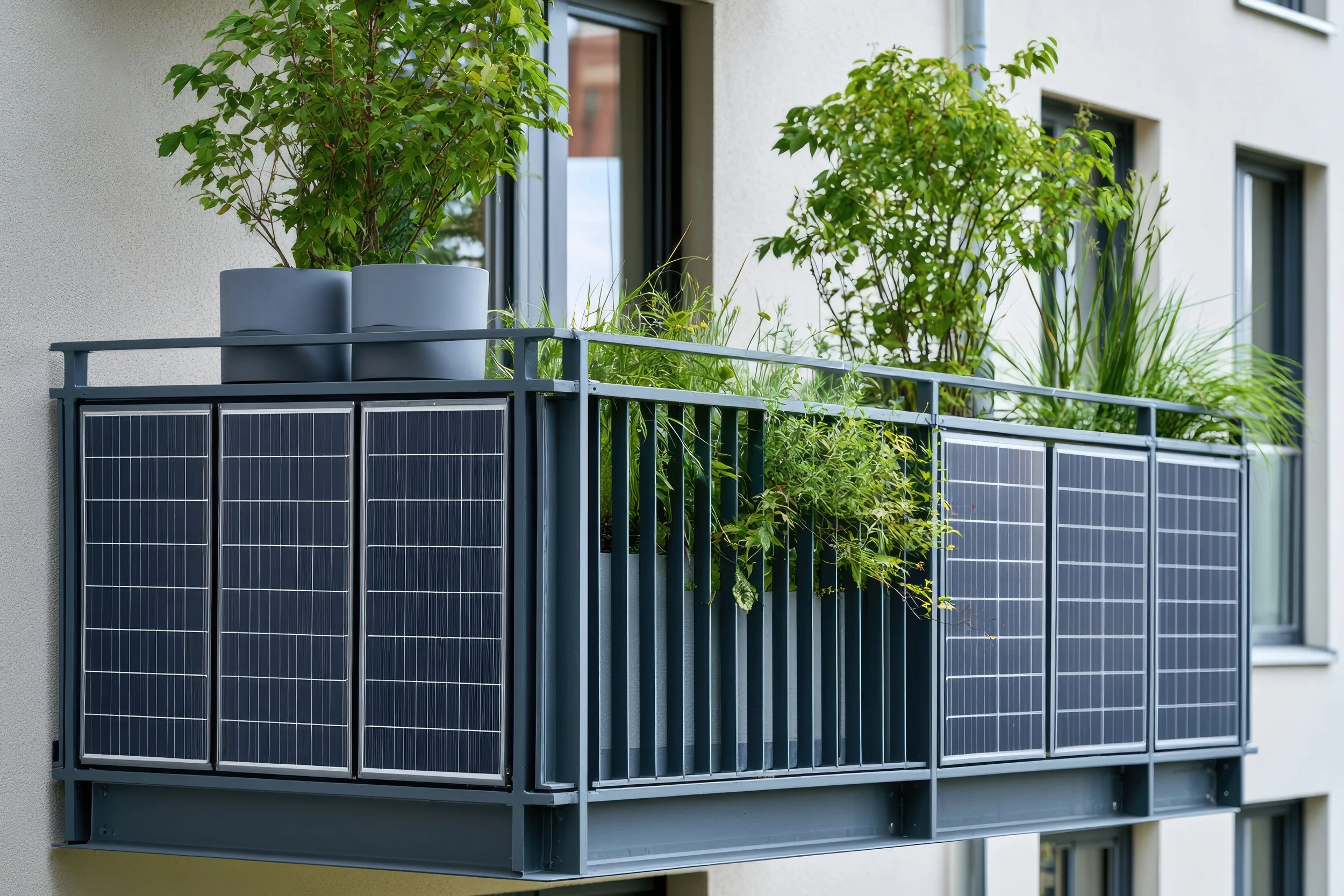
Plug-In Solar Is Coming to the UK – What Does It Mean for Electricians?
Plug-in solar panels are set to become legal in the UK from 27 August 2026. We look at how balcony solar works, the electrical safety questions being raised and what the technology could mean for electricians.

Why Every Electrician Should Understand Smart Buildings
Smart buildings are transforming the electrical industry. Discover what smart buildings are, why they're becoming more common across the UK, and why understanding connected technologies could benefit the next generation of electricians.
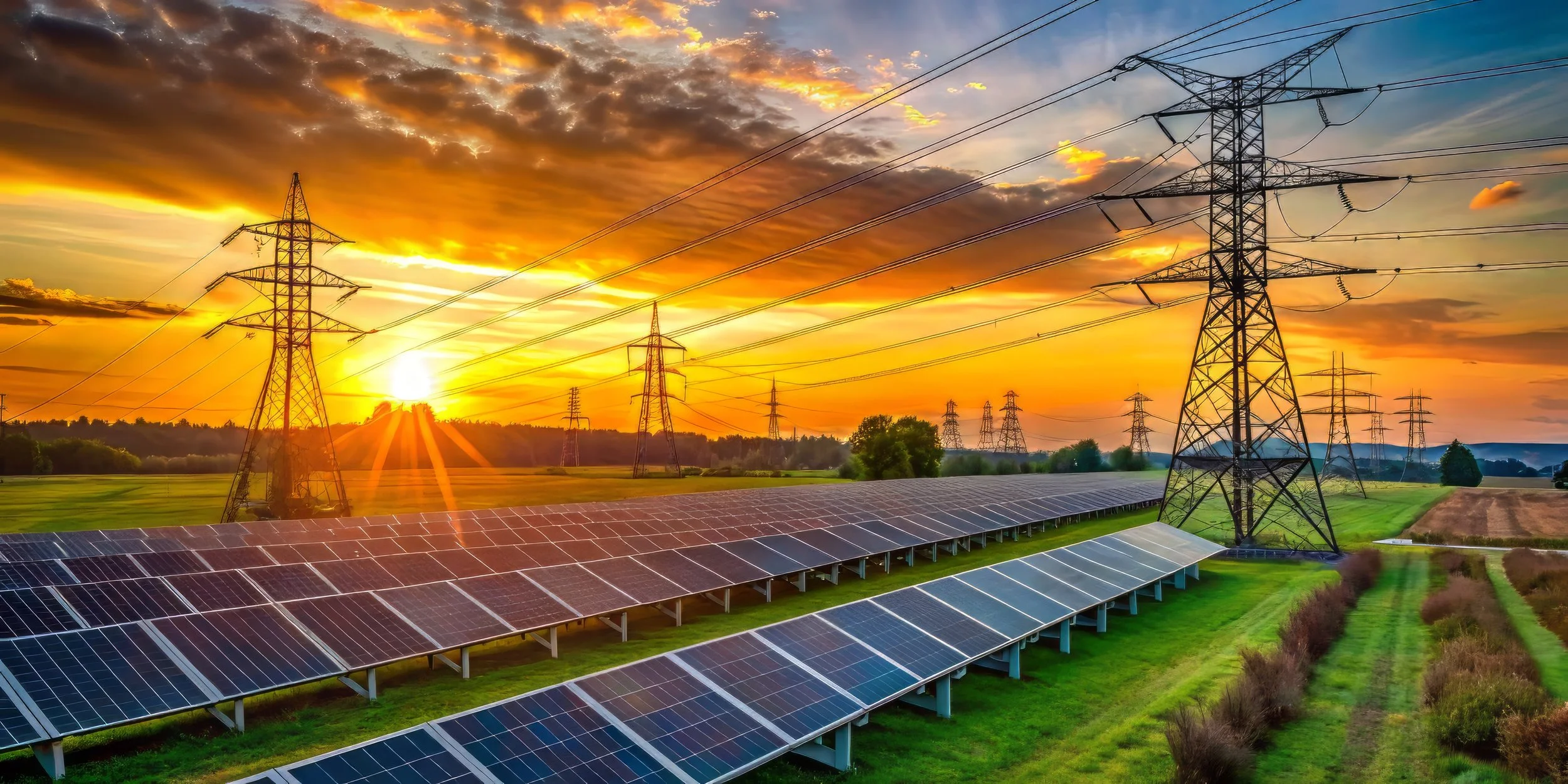
What the UK Heatwave Taught Us About Our Electricity Network
The recent UK heatwave highlighted the growing importance of resilient electrical infrastructure and why skilled electricians will play a vital role in building the UK's future energy network.
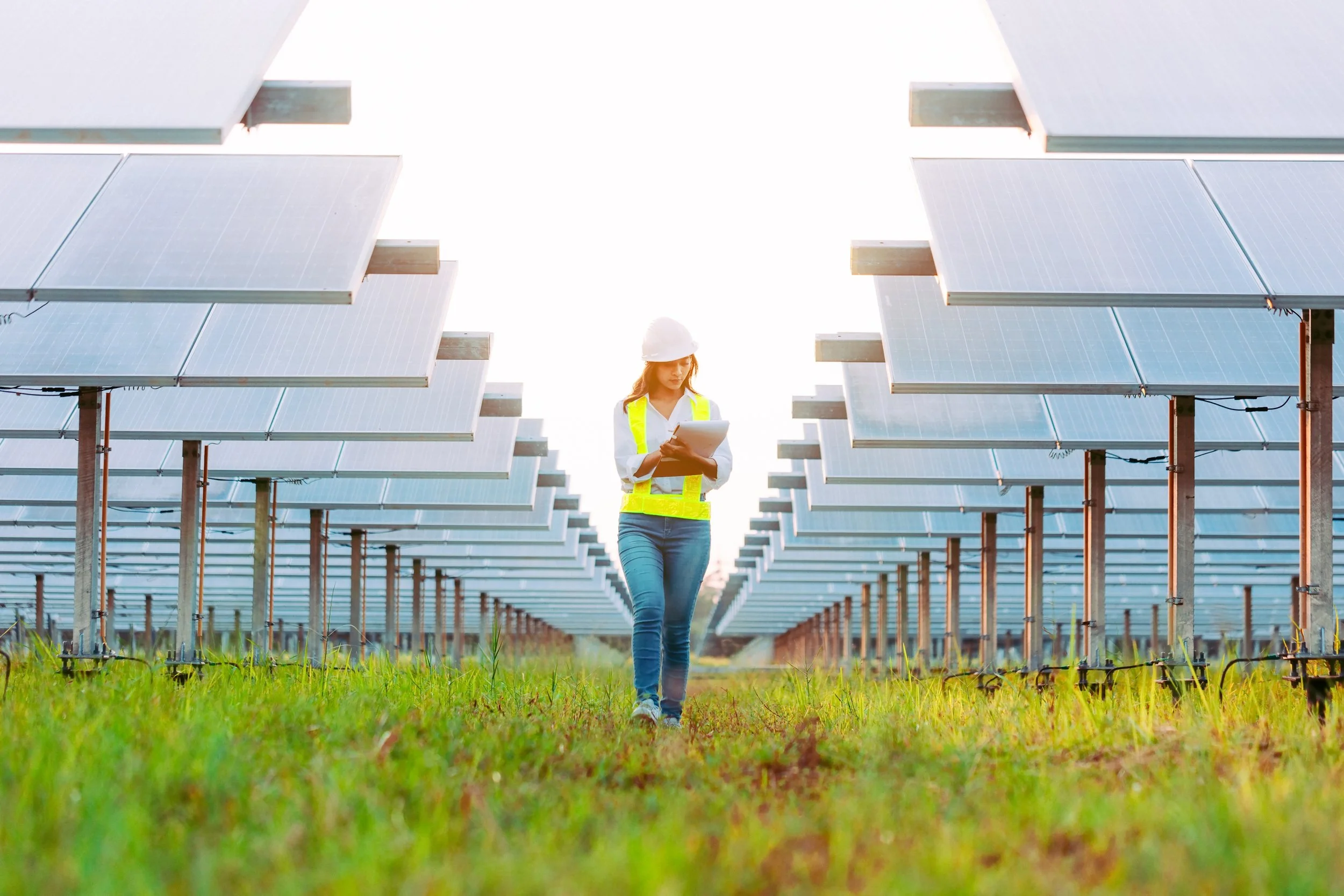
Solar Power Leads Global Energy Growth as Renewable Demand Accelerates
Solar energy has become the world’s fastest-growing source of new electricity generation, according to the International Energy Agency (IEA), with solar accounting for more than a quarter of global energy supply growth in 2025. Rising demand from homes, businesses, electric vehicles and data centres is accelerating investment in renewable technologies, while falling installation costs continue to drive wider adoption of solar PV systems. The growth of the renewable sector is also creating increasing demand for skilled electricians trained in solar, battery storage and other low-carbon technologies across both domestic and commercial projects.
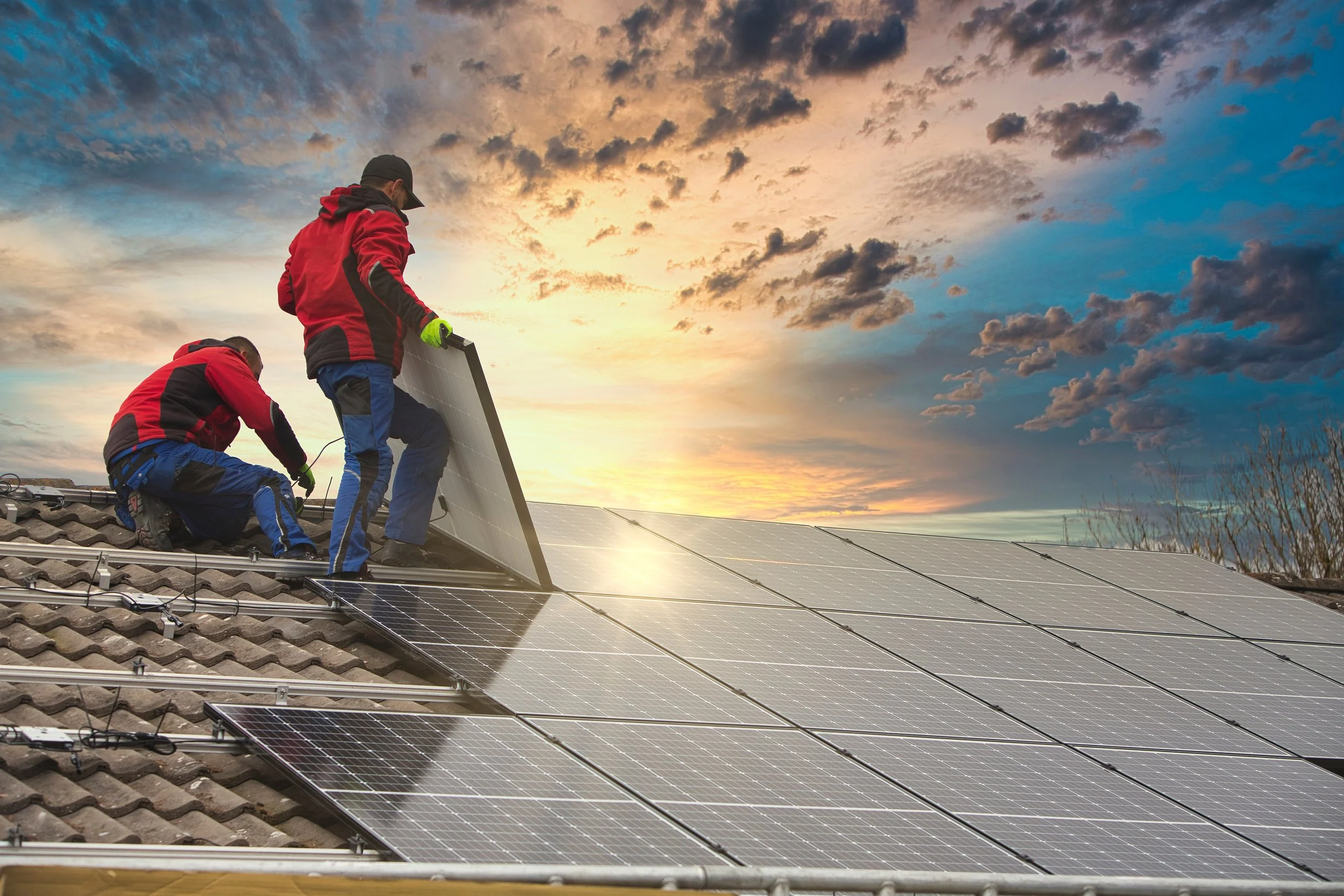
IET Urges Households to Check Electrical Safety Before Using Plug In Solar Products
The Institution of Engineering and Technology (IET) is urging households to check the safety of their electrical installations before using plug in solar products, as the UK moves closer to adopting this emerging technology. While plug in solar systems offer a more accessible route into renewable energy, concerns remain around older consumer units, wiring systems, and protective devices such as RCDs, which may not be designed to handle electricity flowing back into circuits. The guidance highlights the growing importance of proper inspection, testing, and compliance with current regulations as new technologies enter the domestic market, reinforcing the need for qualified electricians to ensure installations remain safe and fit for purpose.
2025 Becomes the UK’s Best Year on Record for Certified Solar Installations
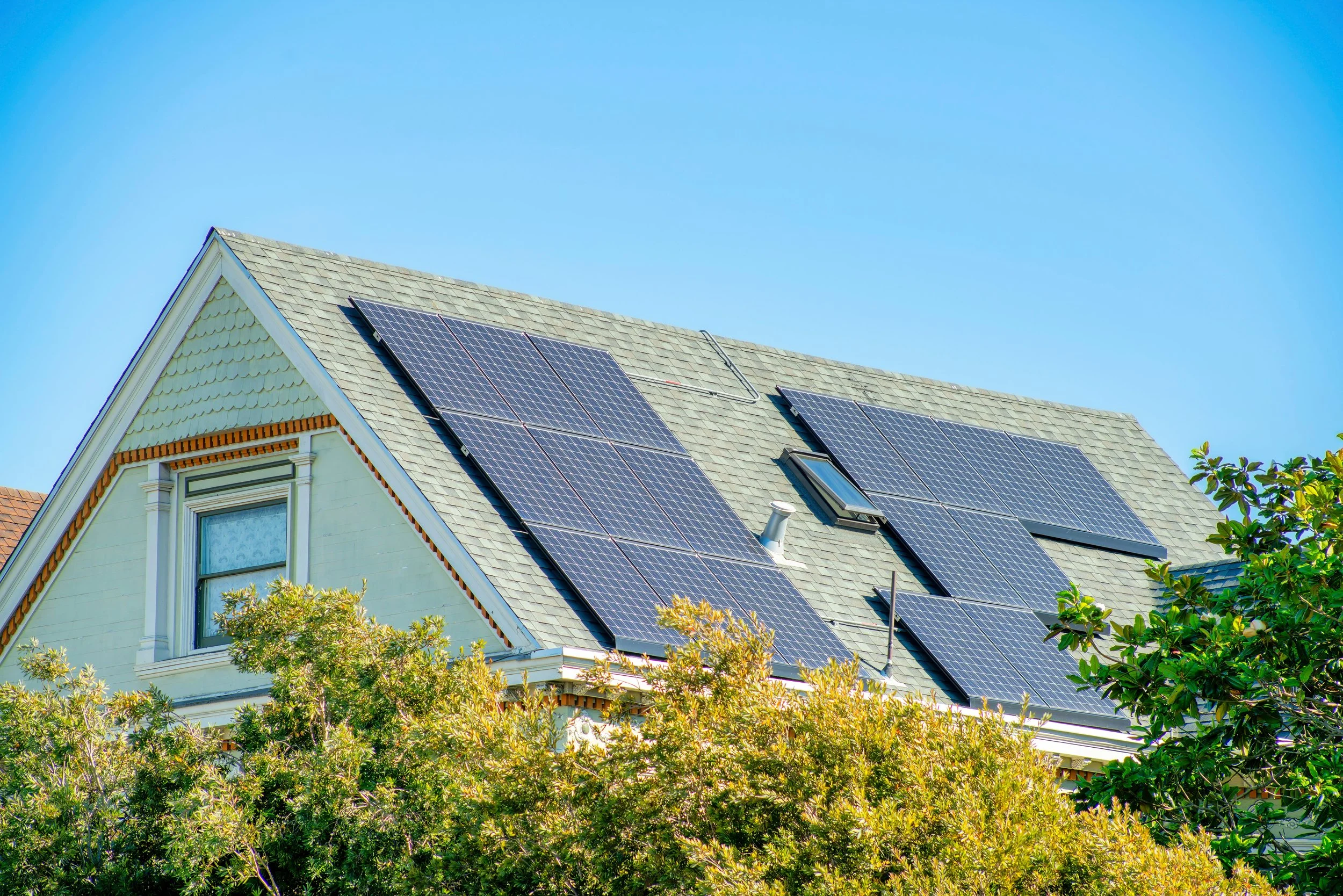
The UK has officially recorded its strongest year ever for certified solar panel installations, surpassing the previous peak set in 2011. New data released by MCS (Microgeneration Certification Scheme) shows that certified solar PV installations have climbed past 203,125 for 2025 so far, pushing the national total to 1.85 million installations since records began.

Renewable energy becomes the world’s leading source of electricity
Renewable energy became the world’s largest source of electricity for the first time in early 2025, surpassing coal as global renewables generated 5,072 TWh compared with 4,896 TWh from coal. Rapid growth in solar and wind met all new electricity demand and even cut coal and gas use, though progress varies by region. China and India drove most of the clean-energy expansion, while the US and EU saw higher fossil-fuel output due to rising demand and weaker wind and hydro generation.
China added more solar and wind capacity than the rest of the world combined, trimming its fossil-fuel output by two percent, and India also reduced coal and gas use through strong renewable investment. Solar alone accounted for eighty-three percent of global demand growth, boosted by sharp cost declines and fast uptake in lower-income countries such as Pakistan and several African nations.
China’s clean-tech exports hit a record twenty billion dollars in August 2025, highlighting its dominance in solar, battery, and electric-vehicle supply chains. Despite regional differences, the shift marks a key turning point as clean power begins to keep pace with global electricity demand.

“My Energy Bill Was £7.14 Last Month”: The Solar Surge That’s Creating New Careers
As the UK experiences longer, hotter summers and record levels of sunshine, homeowners are increasingly turning to solar panels to cut energy costs and reduce reliance on the grid. In June alone, households with solar panels saved up to £30 per week on electricity bills, according to Electrify Britain.
