
Where Can an Electrical Career Take You? More Places Than You Might Think
For anyone considering a career as an electrician, the obvious picture may be domestic rewires, sockets, lighting and consumer units. In reality, electrical skills can provide a route into a much wider range of industries and specialisms – and that range is continuing to grow.
The transition towards cleaner energy, increasingly connected buildings and greater electrification means qualified electricians are needed across everything from homes and commercial buildings to renewable energy, transport and major infrastructure projects.
For people starting their electrical training today, becoming a qualified electrician could therefore be the beginning of a career with many different directions.
Starting with strong foundations
Whatever direction an electrical career eventually takes, building a solid foundation of recognised qualifications and practical workplace competence is essential.
For many adult learners, this means developing their underpinning knowledge through qualifications such as the City & Guilds Level 2 and Level 3 Diplomas before progressing towards an industry-recognised Level 3 NVQ and AM2 assessment.
Once qualified and experienced, electricians can choose to develop additional skills according to the type of work that interests them.
Renewable energy and low-carbon technology
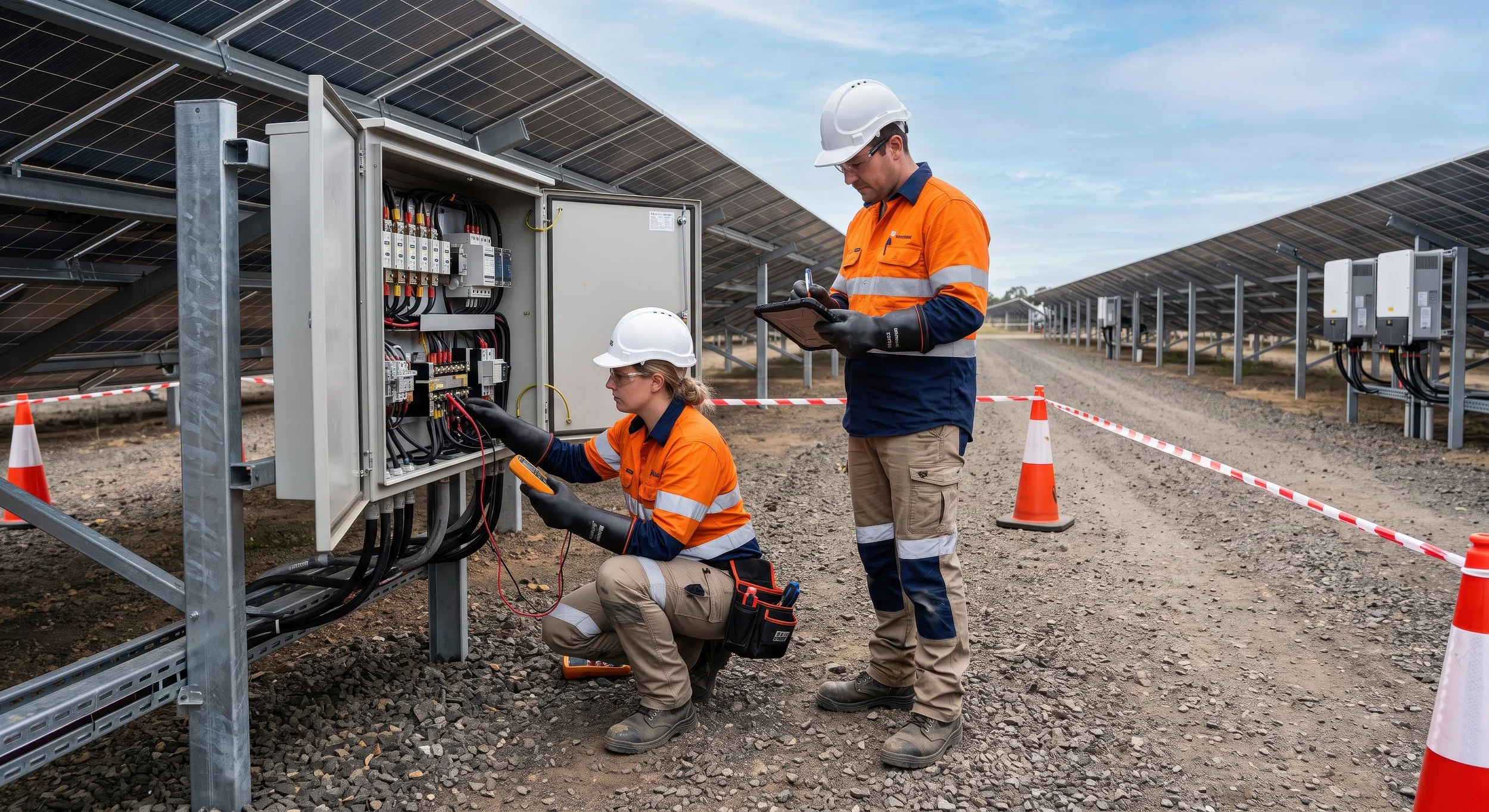
Solar PV, battery storage, electric vehicle charging and other low-carbon technologies are creating new opportunities for the electrical workforce.
The Electrotechnical Skills Partnership (TESP) has highlighted the importance of having sufficient skilled and qualified electricians to support the UK's solar ambitions, describing electricians as crucial to meeting future targets.
For electricians, developing additional competence in areas such as solar PV, electrical energy storage systems or EV charging can therefore provide opportunities to move into growing specialist markets.
Smart homes and smart buildings
Electrical installations are also becoming more connected.
Lighting controls, heating, security, access systems, energy management and other building services can increasingly form part of an integrated smart-building system. The Institution of Engineering and Technology (IET), for example, provides dedicated guidance to help electrical installers develop opportunities within the smart-home sector.
This means electricians who combine traditional installation skills with an understanding of controls and connected technologies could find themselves working on increasingly sophisticated projects.
Commercial, industrial and infrastructure
Not every electrician works in people's homes.
Commercial and industrial electrical work can include offices, factories, warehouses, hospitals, retail developments and large construction projects. Other electricians may specialise further, moving into areas such as control systems, high-voltage installations, emergency lighting, fire and security systems or electrical maintenance.
Major infrastructure is another potential route. Railways, transport networks, utilities and increasingly data centres all rely heavily on electrical systems. The IET's technical resources for data-centre power systems alone demonstrate the complexity of the electrical infrastructure required to keep modern digital services operating.
Testing, inspection and electrical design
With experience and further training, electricians can also move towards roles involving inspection and testing, fault diagnosis, electrical design, supervision or project management.
For some, that can mean spending less time carrying out installations themselves and more time taking responsibility for ensuring that electrical work is designed, installed, inspected and maintained correctly.
Others may eventually choose self-employment, build their own electrical contracting business or progress into management and training roles.
A career that can continue to develop
One of the attractions of the electrical industry is that you do not necessarily have to decide at the beginning exactly where you want your career to end up.
The skills needed across the electrotechnical sector continue to evolve. TESP research has previously identified growing demand in areas including EV charging, renewable energy, energy storage and smart-building technologies, alongside the continuing need for core electrical installation skills.
The first objective for anyone entering the industry should be to become properly trained, gain meaningful practical experience and work towards recognised occupational competence.
From there, however, the possibilities become much broader.
Whether your future interests lie in domestic installations, renewable energy, smart buildings, industrial maintenance, testing and inspection, major infrastructure or eventually running your own business, electrical training can provide the foundation for a career that continues to develop for many years.
Thinking of Becoming a Qualified Electrician?
If you're interested in learning a skilled trade, why not train to become a certified professional?
At Optima, we provide comprehensive electrical training courses that equip you with the skills, qualifications, and confidence to work safely and legally in this vital industry.
Whether you’re just starting out or looking to expand your qualifications, our accredited training programmes will give you the knowledge, confidence, and credentials to meet new building standards and market demand.
✅ Hands-on training
✅ Industry-recognised certifications
✅ Expert instructors with real-world experience
✅ Courses tailored to upcoming regulations
Contact us today to embark on your training journey.
Contact us: Request Information
Email: info@optima-ect.com
Freephone +44 800 0371572