

More Than Wiring: Why Electricians Will Be Central to the UK's Changing Energy Landscape
When people think about the work of an electrician, they might picture wiring a house, installing sockets or replacing a consumer unit. Those skills remain an essential part of the trade – but the UK's changing energy landscape means electrical expertise is becoming important across an increasingly wide range of technologies and projects.
From electric vehicle charging and solar panels to battery storage and major upgrades to the electricity network, much of the transition towards a more electrified UK ultimately depends on people with the right electrical skills.
For those currently training or considering an electrical career, it provides an interesting glimpse of how the trade could continue to evolve over the coming years.
More of our lives are becoming electrified
Electricity already powers much of everyday life, but as highlighted in the UK Government’s Clean Power Action Plan its role is expected to grow further as the UK changes the way it heats buildings, powers transport and generates energy.
Electric vehicles are one obvious example. More EVs on UK roads mean continued demand for charging infrastructure at homes, workplaces and public locations.
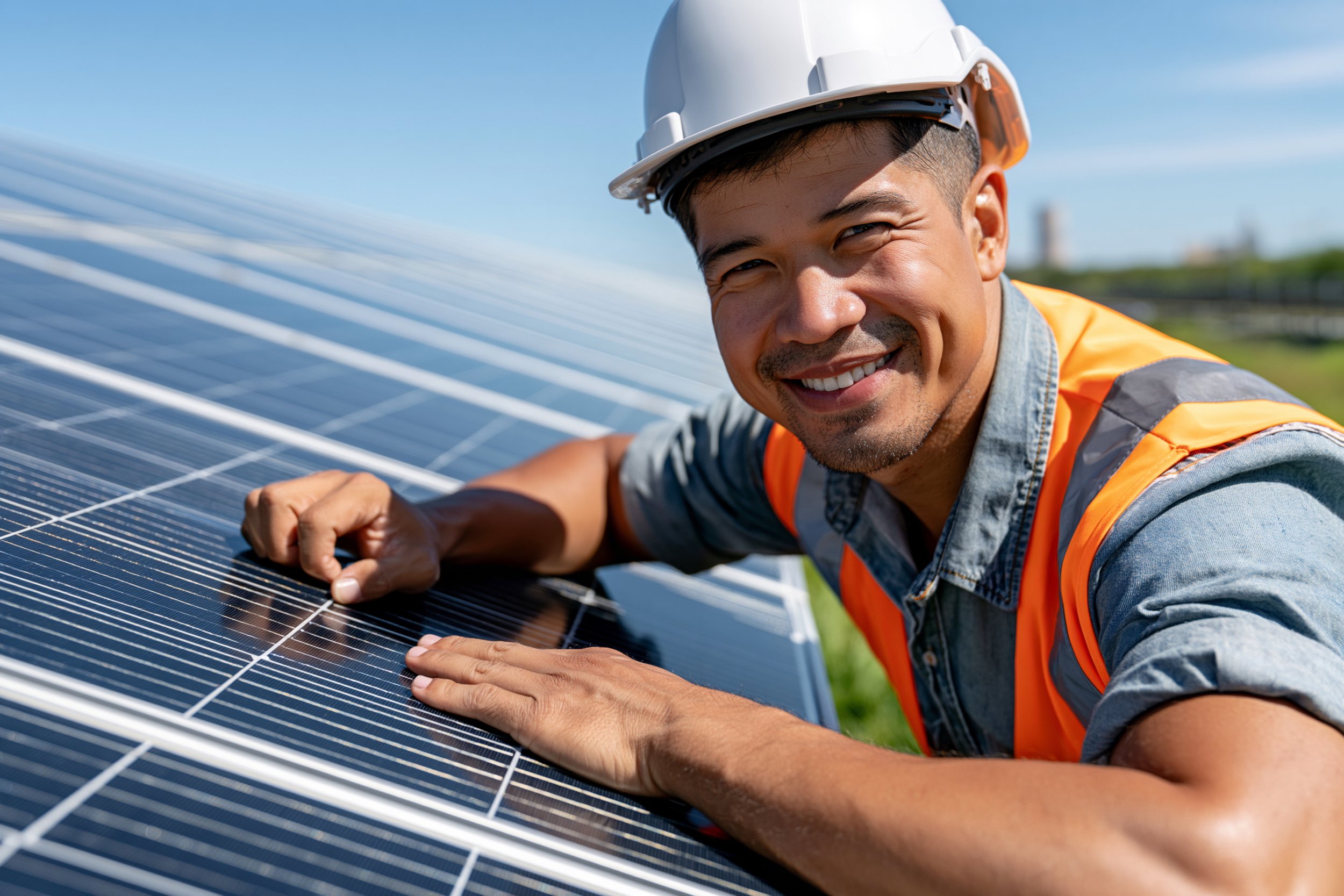
Solar PV and battery storage are another growing area. Homes and businesses are increasingly able to generate electricity and store some of it for later use, creating electrical installations that can be considerably more sophisticated than those found in buildings a generation ago.
At a much larger scale, Britain's electricity networks also need significant investment to connect new sources of power and accommodate changing patterns of electricity generation and consumption.
Electricians are part of the clean-energy workforce
All this creates a need for people who can install, connect, maintain, inspect and work safely with electrical systems.
The Government's Clean Energy Jobs Plan identifies electricians and electrical fitters as one of 31 priority occupations required to support the UK's clean-energy ambitions. Its analysis estimates that the number of electricians and electrical fitters supported directly by clean-energy activity may need to increase by 7,000–8,499 between 2023 and 2030.
More broadly, the Government estimates that the UK's clean-energy workforce and associated supply chains could grow from around 440,000 jobs in 2023 to approximately 860,000 by 2030.
Separate government research into the clean-energy skills challenge describes electrical trades as crucial to decarbonisation, highlighting demand for electrical skills within areas including electricity networks, offshore wind and engineering construction.
Not every electrician needs to become a renewable-energy specialist
For someone at the beginning of their electrical training, this doesn't mean choosing a specialist area straight away.
The fundamentals of electrical installation remain exactly that – fundamental. Developing a sound understanding of electrical principles, safe working practices, wiring systems and regulations provides the foundation on which further skills and experience can be built.
Traditional electrical work isn't disappearing either. Homes, offices, shops, factories, schools and other buildings will continue to require installation, maintenance, alteration, fault finding, inspection and repair.
As electricians gain experience, however, some may choose to develop additional knowledge and competence in areas such as EV charging, solar PV, battery storage or other technologies.
An electrical career can lead in many directions
This is one of the advantages of developing a skilled trade: your first job doesn't have to determine your entire career.
Someone might begin by assisting experienced electricians with cable installation and containment on a construction site, before progressing into installation work and completing the workplace qualifications required to become fully qualified.
With further experience and training, their career could eventually take them towards commercial or industrial work, inspection and testing, maintenance, renewables, EV infrastructure, energy storage or other specialist areas.
And as technology changes, new opportunities are likely to continue emerging.
Building skills for the future
Nobody beginning electrical training today can know exactly what the industry will look like in 10 or 20 years.
What we do know is that electricity will be central to many of the changes already taking place across Britain's homes, transport, businesses and energy infrastructure.
The Government expects demand for skilled electrical and electronic trades within clean energy to increase across every UK region by 2030. [2]
For the next generation of electricians, that's an encouraging prospect. Learning the fundamentals and gaining meaningful workplace experience provides more than a route into today's electrical industry – it creates a foundation of practical and technical skills that can continue to develop as the industry itself changes.
Electrical work has always been about much more than simply connecting wires. As Britain becomes increasingly electrified, that is likely to become even more apparent.
Thinking of Becoming a Qualified Electrician?
If you're interested in learning a skilled trade, why not train to become a certified professional?
At Optima, we provide comprehensive electrical training courses that equip you with the skills, qualifications, and confidence to work safely and legally in this vital industry.
Whether you’re just starting out or looking to expand your qualifications, our accredited training programmes will give you the knowledge, confidence, and credentials to meet new building standards and market demand.
✅ Hands-on training
✅ Industry-recognised certifications
✅ Expert instructors with real-world experience
✅ Courses tailored to upcoming regulations
Contact us today to embark on your training journey.
Contact us: Request Information
Email: info@optima-ect.com
Freephone +44 800 0371572