
EVs Now Cheaper Than Petrol Cars: A Major Turning Point for the Industry
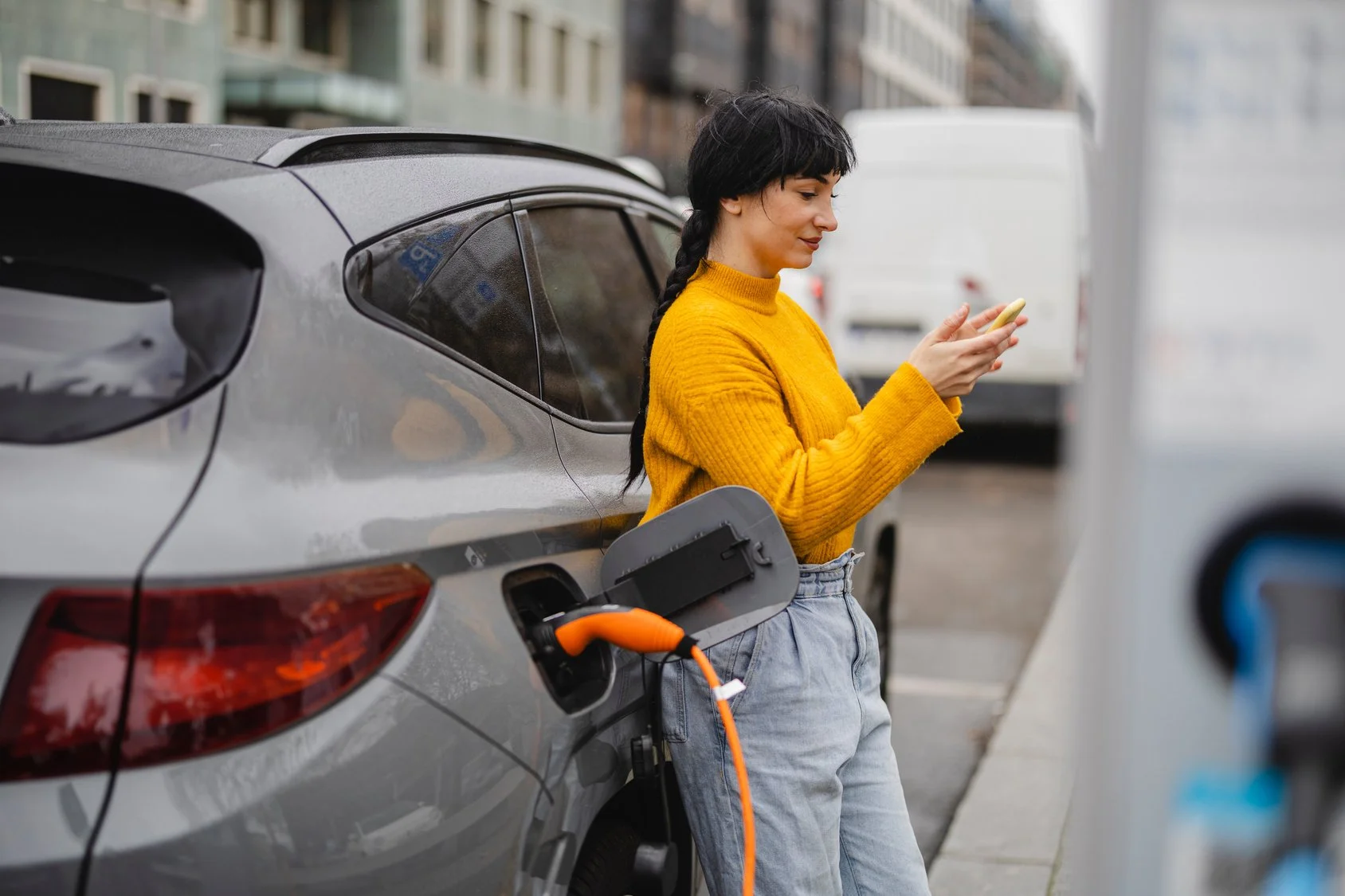
A significant milestone has been reached in the UK automotive market, with new data confirming that electric vehicles (EVs) are now, on average, cheaper to buy than petrol cars.
According to analysis highlighted by industry sources including AutoTrader, the average price of a new electric car has fallen to £42,620, compared to £43,405 for a petrol equivalent. This marks the first time EVs have achieved upfront price parity—and gone beyond it—removing one of the biggest barriers to adoption.
A Key Barrier Has Fallen
For years, the main obstacle preventing wider EV adoption has been higher initial purchase costs. While running costs have long favoured electric vehicles, the upfront price gap has often delayed decision-making for both individuals and businesses.
That gap has now effectively closed.
Industry experts suggest this shift is being driven by a combination of:
government incentives and grants
increased manufacturer competition
strong dealer discounting
improved availability of models across price ranges
Earlier in 2026, EV discounts reached record levels of 12.8%, and while this has slightly reduced, they remain above the wider market average.
Rising Demand as Market Conditions Shift
The drop in EV pricing is already having a measurable impact on consumer behaviour.
Search interest in electric vehicles has increased, supported by:
the introduction of the new ‘26’ registration plate
wider availability of affordable EV models
ongoing volatility in petrol prices
External factors are also playing a role. Geopolitical instability and fuel price fluctuations are pushing energy costs back into focus for consumers, accelerating interest in electric alternatives.
The Bigger Picture: Cost of Ownership
While this latest development focuses on purchase price, it strengthens an already compelling financial case.
Electric vehicles have consistently delivered lower long-term costs due to:
significantly cheaper “fuel” (electricity vs petrol)
reduced servicing and maintenance requirements
fewer moving parts and lower mechanical wear
In many cases, EVs already offer a lower total cost of ownership, particularly for drivers covering higher annual mileage.
What This Means for the Electrical Industry
For electricians and those working within the sector, this shift is more than just automotive news—it signals continued growth in:
EV charge point installations
domestic and commercial infrastructure upgrades
renewable integration and load management systems
As EV adoption increases, demand for qualified professionals in these areas will continue to rise.
This aligns directly with wider industry changes, including evolving requirements around low-carbon technologies and electrical competence.
Skills Demand Will Follow Adoption
As EV ownership becomes more accessible, the supporting infrastructure must scale with it.
This creates ongoing demand for electricians trained in:
EV charging installation
inspection and testing of new systems
integration with existing installations and distribution boards
For those already qualified, this presents a clear opportunity to expand into a growing and future-focused area of the industry.
Final Thoughts
The fact that EVs are now cheaper to buy than petrol cars represents a genuine turning point.
What was once seen as a future transition is now happening in real time.
For consumers, it removes a major financial barrier.
For the industry, it signals continued acceleration.
And for electricians, it reinforces the importance of staying aligned with evolving technologies and standards.
Thinking of Becoming a Qualified Electrician?
If you're interested in learning a skilled trade, why not train to become a certified professional?
At Optima, we provide comprehensive electrical training courses that equip you with the skills, qualifications, and confidence to work safely and legally in this vital industry.
Whether you’re just starting out or looking to expand your qualifications, our accredited training programmes will give you the knowledge, confidence, and credentials to meet new building standards and market demand.
✅ Hands-on training
✅ Industry-recognised certifications
✅ Expert instructors with real-world experience
✅ Courses tailored to upcoming regulations
Contact us today to embark on your training journey.
Contact us: Request Information
Email: info@optima-ect.com
Freephone +44 800 0371572