
Will AI Take My Job? Understanding the Changing Nature of Work
Artificial intelligence has rapidly moved from a futuristic idea to a practical tool used across many industries. From writing reports to analysing complex datasets, AI systems are becoming more capable each year. It is therefore no surprise that many people are asking the same question: will AI take my job?
The honest answer is more nuanced than a simple yes or no. AI will certainly change the way many people work. Some tasks will be automated, some roles will evolve, and new opportunities will appear. However, when you look closely at how work actually happens in the real world, it becomes clear that not all careers are equally vulnerable.
AI Excels at Certain Types of Work
AI performs extremely well when tasks are structured, digital, and repeatable. For example, software can summarise documents, generate code, analyse spreadsheets, and respond to routine customer enquiries. In industries where work largely takes place on a computer and follows predictable patterns, AI can significantly increase efficiency.
This does not necessarily eliminate jobs outright, but it can reduce the amount of time people spend on repetitive administrative work. Roles involving basic data processing, documentation, or standardised content are already being reshaped by automation.
However, many professions look very different from this.
Work That Happens in the Real World
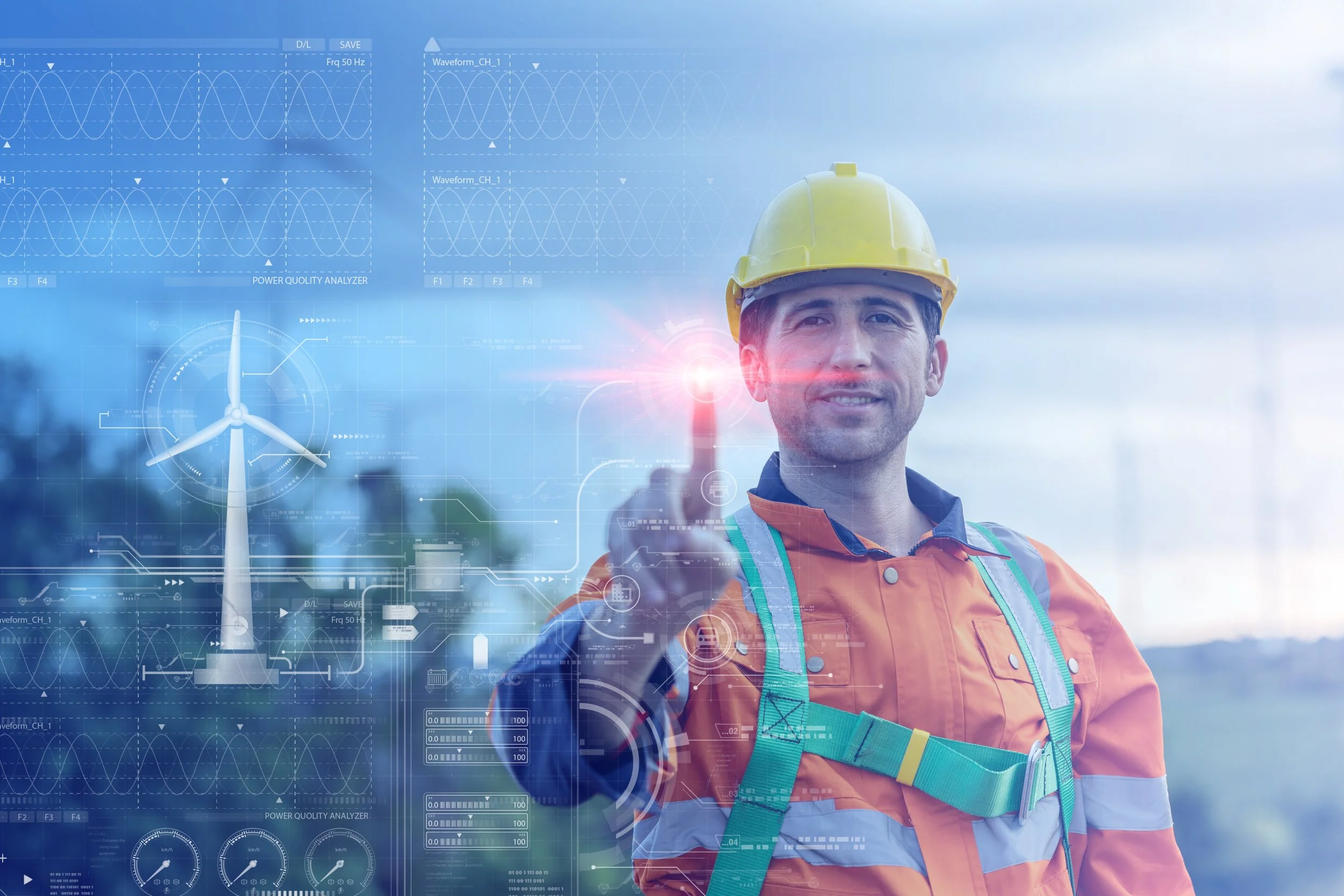
A significant part of the economy relies on skilled professionals working directly with physical systems, environments, and people. These roles require practical ability, situational awareness, safety judgement, and the capacity to adapt to changing conditions.
Take, for example, diagnosing an issue within a building’s infrastructure. Every property is different. Equipment ages differently, documentation is not always complete, and real-world conditions rarely match the diagrams perfectly. Solving these problems requires experience, observation, and logical troubleshooting rather than simply following a digital process. Even as technology advances, someone still needs to inspect systems, test equipment, carry out installations, and ensure everything operates safely and correctly.

The Value of Skilled Technical Trades
Much of the conversation around automation focuses on office-based work, yet many industries quietly depend on highly trained technical specialists who keep homes, businesses, and infrastructure operating safely.
These professions rely on hands-on expertise developed through proper training and practical experience. They also carry significant responsibility. When systems must function reliably and meet strict safety standards, qualified professionals remain essential.
Modern buildings are becoming more complex. Renewable energy systems, smart homes, energy storage, and advanced electrical infrastructure are increasingly common. As technology evolves, so too does the need for people who understand how to install, maintain, and troubleshoot these systems in real environments.
Interestingly, while many desk-based roles are exploring how automation might replace certain tasks, industries built around practical technical skills continue to see consistent demand.
Technology as a Tool, Not a Replacement
Of course, technology still plays an important role. Digital tools already help professionals plan projects, diagnose faults, and record work more efficiently. In the future, AI may assist with design planning, system diagnostics, or predictive maintenance.
However, these tools generally act as support, not replacement. They assist the professional carrying out the work rather than removing the need for that person entirely.
Someone still needs to interpret the situation on site, apply their training, and take responsibility for the outcome.
Choosing a Future-Proof Career
For anyone considering their career path, it is worth asking not only what jobs exist today, but what types of work remain valuable as technology evolves.
Careers that combine technical knowledge, problem-solving, and practical application tend to remain resilient. They require people who can think critically, apply their skills in different environments, and ensure systems operate safely and effectively.
In other words, while AI will undoubtedly reshape parts of the workforce, it is far less likely to replace professionals whose work depends on skilled hands, practical judgement, and real-world expertise.
The Bigger Picture
AI will continue to improve, and many industries will adapt alongside it. But the future of work will not be defined solely by automation. It will also rely on the people who design, build, maintain, and power the systems that modern society depends on every day.
And in a world that runs on increasingly advanced technology, the need for practical technical skills may only continue to grow.
Thinking of Becoming a Qualified Electrician?
If you're interested in learning a skilled trade, why not train to become a certified professional?
At Optima, we provide comprehensive electrical training courses that equip you with the skills, qualifications, and confidence to work safely and legally in this vital industry.
Whether you’re just starting out or looking to expand your qualifications, our accredited training programmes will give you the knowledge, confidence, and credentials to meet new building standards and market demand.
✅ Hands-on training
✅ Industry-recognised certifications
✅ Expert instructors with real-world experience
✅ Courses tailored to upcoming regulations
Contact us today to embark on your training journey.
Contact us: Request Information
Email: info@optima-ect.com
Freephone +44 800 0371572