Why Smart Home Skills Could Open New Doors for Electricians
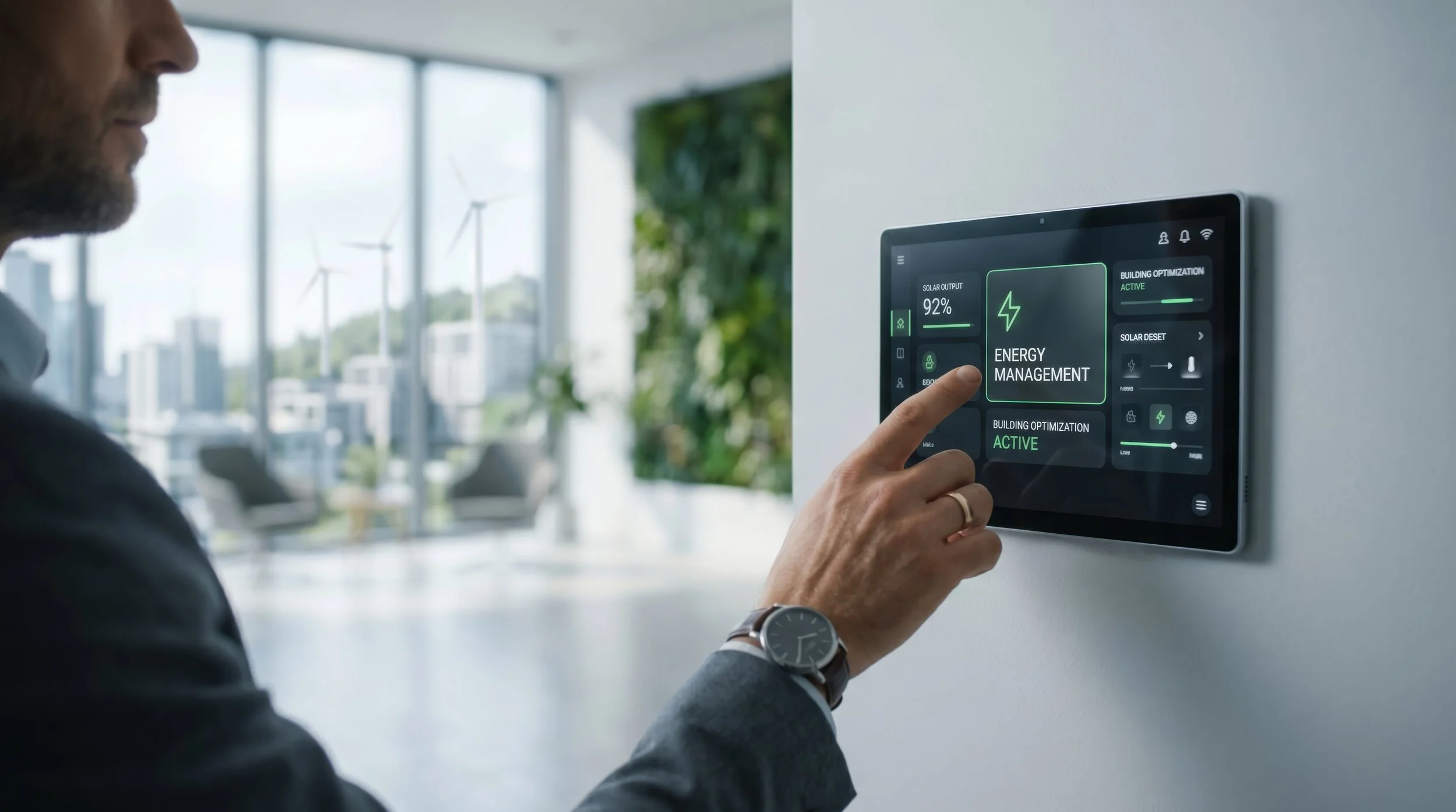
From lighting and heating to security, energy monitoring and entertainment, technology is changing what we expect from our homes. Increasingly, homeowners want different systems to work together – and often to be controlled automatically or from a smartphone.
For electricians, this changing landscape could create opportunities to develop skills beyond traditional electrical installation and move into the growing world of smart-home technology.
What makes a home ‘smart’?
A smart home uses connected technology to control or automate different functions around the property. This might include:
Smart lighting and lighting controls
Heating and thermostats
CCTV and security
Door entry and access control
Blinds and shading
Energy monitoring
Audio-visual equipment
Solar PV and battery storage
Rather than simply installing individual devices, more sophisticated systems can bring several of these functions together.
The Institution of Engineering and Technology (IET) publishes a dedicated Guide to Smart Homes for Electrical Installers, covering the implementation of smart-home solutions and helping installers work with customers to deliver appropriate systems.
Why does this matter to electricians?
Although consumers can install some standalone smart devices themselves, more complex systems can involve fixed electrical installations, controls, data networks and communication between different technologies.
That creates an opportunity for electricians who can combine strong electrical knowledge with additional understanding of automation, controls and networking.
The IET's smart-home career profiles highlight the variety involved in this type of work. One smart-home specialist describes designing and installing unified systems controlling heating, lighting, security, access and audio-visual technology. He identifies sound electrical knowledge, data networking and product-specific training as important skills for the role.
This means an electrician of the future may increasingly need to understand not only how to install and test circuits safely, but also how different systems communicate and operate together.
Electrical installations are becoming more sophisticated
Smart-home technology also sits within a much wider change taking place across the electrical industry.
Modern homes can now include solar PV, battery storage, EV charging, energy management and automated controls alongside conventional electrical circuits.
The IET has highlighted how modern domestic electrical installations are becoming more complex, with automatic functions and controls increasingly managed by system software.
As homes generate, store, manage and use electricity in different ways, electricians with an understanding of these technologies could be particularly well placed to help customers make the most of them.
Another potential career direction
For anyone currently training as an electrician, this doesn't mean you need to become a smart-home specialist immediately.
Building a strong foundation in electrical installation, safe working practices and industry standards – followed by gaining practical experience and occupational competence – remains the priority.
But once those foundations are in place, additional manufacturer or specialist training can provide opportunities to diversify. Smart-home installers may develop skills in areas such as data networking, system programming, commissioning, fault finding and building automation.
For people who enjoy technology and problem-solving, it could be an interesting direction to consider.
Keeping pace with a changing industry
Electrical work has always evolved alongside technology, and smart homes are another example of how the electrician's role continues to develop.
Today's trainee could eventually find themselves installing far more than sockets, lighting and consumer units. They could be helping customers manage energy more efficiently, integrating heating and lighting controls, connecting security systems or programming an entire home to operate automatically.
That's one of the advantages of starting a career in the electrical industry: gaining the core skills is only the beginning. As technology changes, there are continually new areas in which electricians can develop, specialise and build their careers.
Thinking of Becoming a Qualified Electrician?
If you're interested in learning a skilled trade, why not train to become a certified professional?
At Optima, we provide comprehensive electrical training courses that equip you with the skills, qualifications, and confidence to work safely and legally in this vital industry.
Whether you’re just starting out or looking to expand your qualifications, our accredited training programmes will give you the knowledge, confidence, and credentials to meet new building standards and market demand.
✅ Hands-on training
✅ Industry-recognised certifications
✅ Expert instructors with real-world experience
✅ Courses tailored to upcoming regulations
Contact us today to embark on your training journey.
Contact us: Request Information
Email: info@optima-ect.com
Freephone +44 800 0371572