

Why Fault Finding Is One of the Most Valuable Skills an Electrician Can Develop
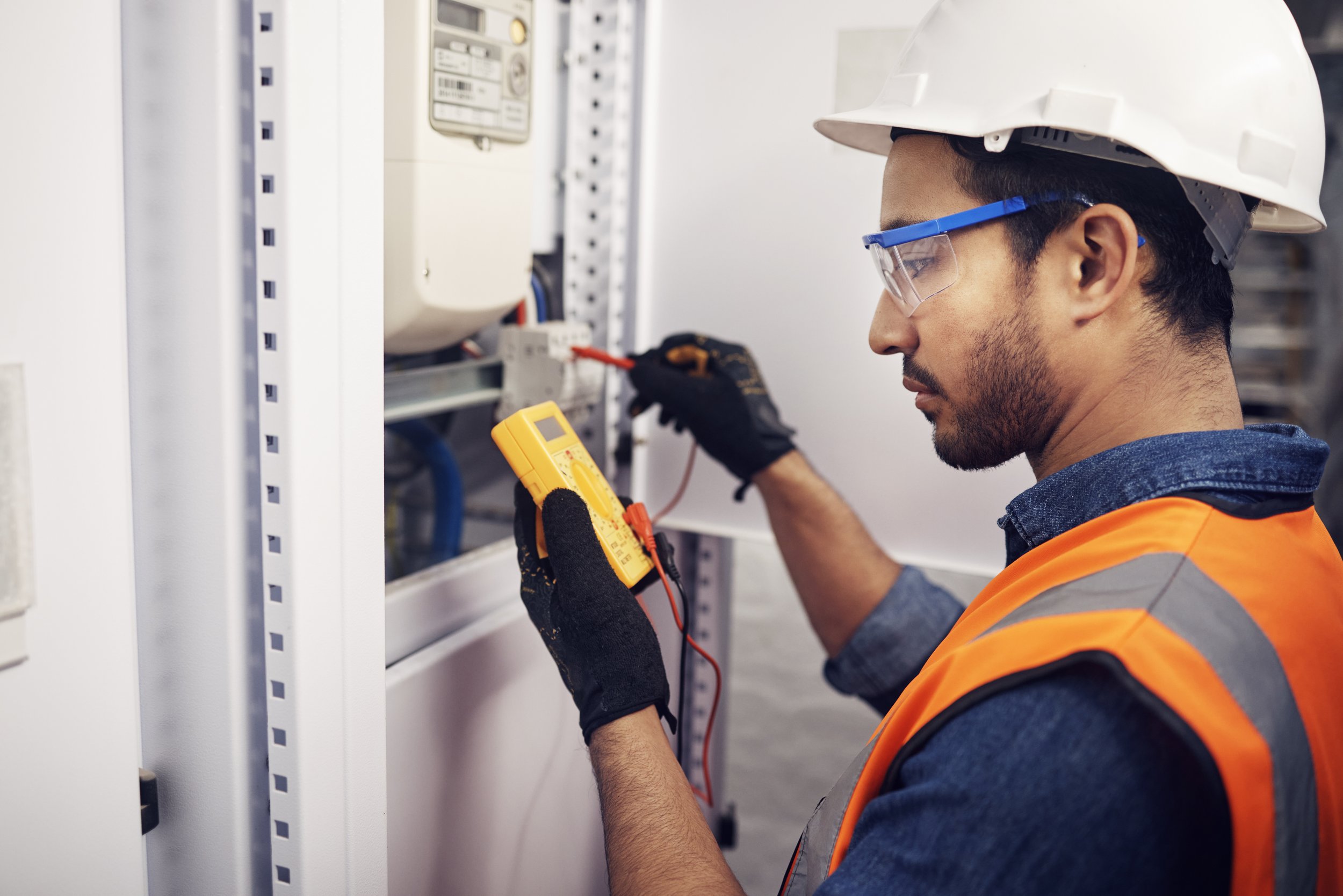
Electrical installation is often associated with fitting cables, connecting accessories and installing new systems. However, another important part of an electrician's work involves understanding why something isn't working as it should.
Fault finding is a valuable skill that combines electrical knowledge, logical thinking, practical experience and problem-solving. It's also one of the areas where electricians can continue developing their expertise throughout their careers.
For anyone studying towards their City & Guilds Level 2 or Level 3 Diploma in Electrical Installation, understanding the basics of fault finding is an important step towards becoming a skilled and confident electrician.
What Is Electrical Fault Finding?
Electrical fault finding is the process of identifying and diagnosing problems within an electrical installation, circuit or piece of equipment.
A fault might be relatively straightforward, such as a light that has stopped working, or more complex, involving an intermittent problem that only occurs under certain conditions.
Common examples include:
A circuit breaker or RCD that repeatedly trips.
A socket or lighting circuit that stops working.
A damaged cable or loose connection.
An appliance or piece of equipment that develops an electrical fault.
An unexpected result during inspection and testing.
The challenge is to establish what's causing the problem rather than simply addressing the symptoms.
For example, a circuit breaker that repeatedly trips might indicate an overload, short circuit or another fault. Replacing or resetting the protective device without identifying the underlying cause could leave the problem unresolved and potentially create a safety risk.
Why Is Fault Finding Such an Important Skill?
Electrical faults can disrupt homes, businesses and essential services. In some environments, even a relatively minor problem can affect equipment, productivity or building operations.
Electricians who can diagnose problems accurately help minimise disruption, avoid unnecessary repairs and ensure installations remain safe.
Fault finding is particularly important in electrical maintenance, where technicians may be responsible for investigating problems with lighting, power distribution, machinery or building services.
However, these skills are equally useful in domestic and commercial installation work.
Whether working on a new installation or an existing system, being able to recognise when something isn't right and understand the possible causes is an important part of professional electrical work.
It's About Logical Thinking, Not Guesswork
One of the most valuable aspects of fault finding is learning to approach problems systematically.
Rather than immediately assuming a particular component is faulty, an electrician needs to gather information, consider possible causes and work through a logical diagnostic process.
This might involve reviewing circuit information, understanding how the system is designed to operate, examining previous test results and carrying out appropriate checks.
Electrical testing can form part of this process, but it must be undertaken safely by someone with the necessary competence, using suitable equipment and procedures.
The Health and Safety Executive (HSE) emphasises the importance of safe working practices when carrying out electrical work, including assessing risks and ensuring that those undertaking the work are competent.
For learners, developing a methodical approach to problem-solving is just as important as becoming familiar with electrical tools and test equipment.
How Do You Learn Fault-Finding Skills?
Fault finding isn't something that electricians master overnight. It's a skill developed through a combination of technical learning, practical exercises and real workplace experience.
City & Guilds 2365 Level 2 and Level 3 Diplomas introduce learners to electrical principles, circuits, installation methods and testing, providing important foundations for understanding electrical faults.
Workshop activities help learners connect theory with practice, while workplace experience provides opportunities to encounter different installations, equipment and problems.
Working alongside experienced electricians can be particularly valuable. Observing how someone investigates a fault, asks questions and works through possible causes can help learners develop their own understanding.
As confidence and competence increase, electricians can gradually take on more responsibility for diagnosing and resolving electrical problems.
Fault Finding and Inspection & Testing: What's the Difference?
Although closely connected, fault finding and inspection and testing aren't quite the same thing.
Inspection and testing involves assessing the condition and safety of electrical installations through visual inspection, appropriate testing and verification against relevant requirements.
Fault finding focuses on investigating and identifying the cause of a particular problem.
For example, an electrician might identify an unexpected test result during an inspection. Fault-finding skills would then help them investigate why that result has occurred.
Both activities require sound electrical knowledge, careful working practices and an understanding of the limitations of test equipment and procedures.
For electricians looking to develop their skills further, qualifications such as the City & Guilds 2391-52 Award in Initial and Periodic Inspection and Testing can provide additional specialist knowledge and assessment of inspection and testing competence. However, the qualification is not a substitute for practical experience in diagnosing faults.
Why Employers Value Good Problem-Solvers
Employers need electricians who can do more than follow installation instructions. They also value people who can recognise problems, think logically, communicate clearly and help find appropriate solutions.
For someone entering the industry, this doesn't mean being expected to diagnose complicated faults independently.
Instead, employers may look for an interest in understanding how electrical systems work, the ability to follow a logical process and the confidence to ask questions when something is unclear.
These qualities are particularly relevant to career changers who may already have developed problem-solving skills in engineering, IT, manufacturing, maintenance or other industries.
A Skill That Develops Throughout Your Career
Even experienced electricians encounter unfamiliar faults and challenging situations. New technologies, changing installation methods and increasingly complex electrical systems mean there's always something new to learn.
For electrical learners, the best starting point is to build a strong understanding of electrical principles, take practical training seriously and make the most of opportunities to learn from experienced professionals.
Fault finding is about more than fixing something that has stopped working. It's about understanding electrical systems, recognising problems and using knowledge and experience to identify safe, effective solutions.
And that makes it one of the most useful skills an electrician can develop.
Thinking of Becoming a Qualified Electrician?
If you're interested in learning a skilled trade, why not train to become a certified professional?
At Optima, we provide comprehensive electrical training courses that equip you with the skills, qualifications, and confidence to work safely and legally in this vital industry.
Whether you’re just starting out or looking to expand your qualifications, our accredited training programmes will give you the knowledge, confidence, and credentials to meet new building standards and market demand.
✅ Hands-on training
✅ Industry-recognised certifications
✅ Expert instructors with real-world experience
✅ Courses tailored to upcoming regulations
Contact us today to embark on your training journey.
Contact us: Request Information
Email: info@optima-ect.com
Freephone +44 800 0371572