

UK Construction Needs 206,000 More Workers by 2030 – What Could That Mean for Electrical Careers?
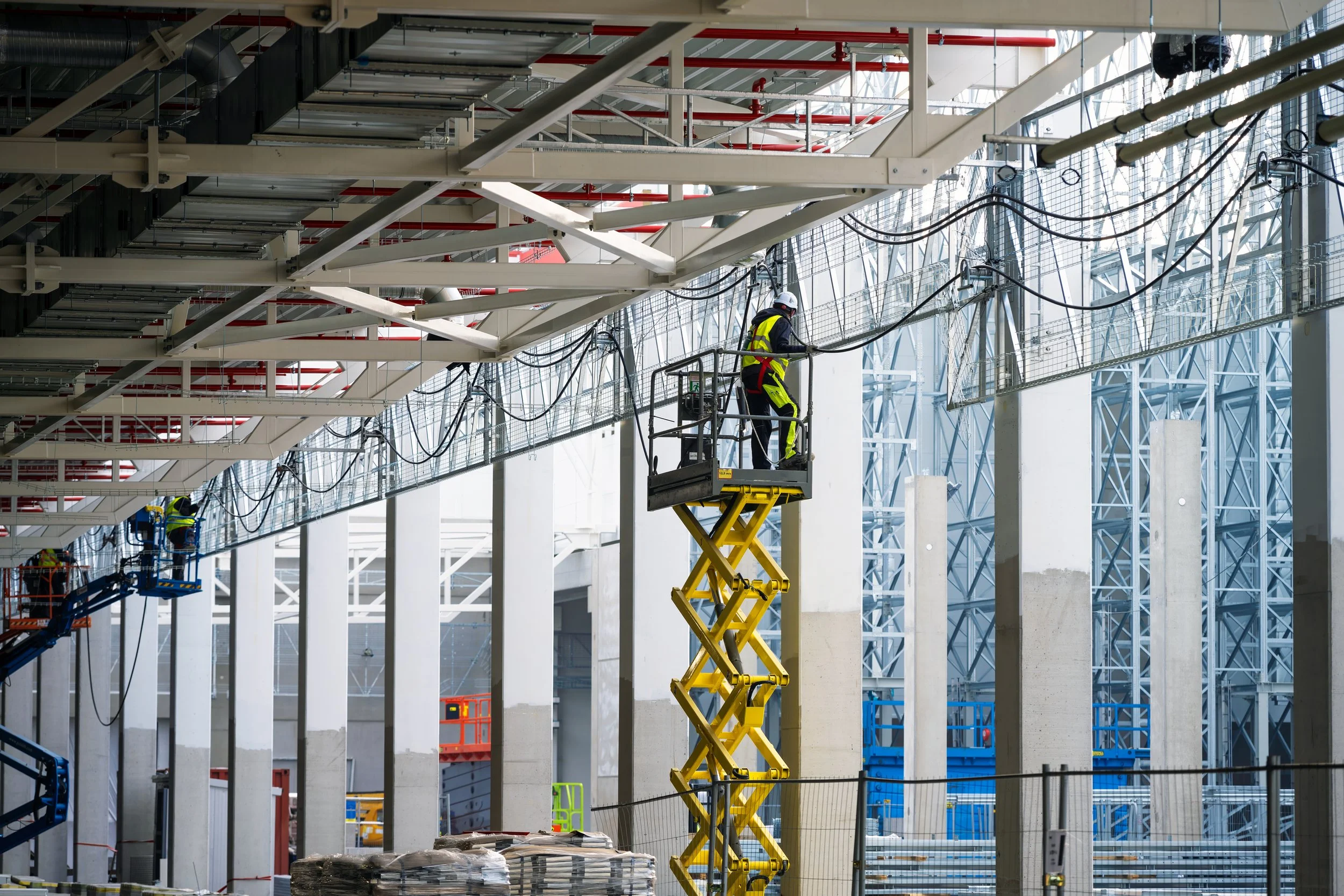
The scale of the UK's construction skills shortage has been highlighted again, with more than 206,000 additional workers expected to be needed by 2030 to meet current demand.
National House Building Council (NHBC) highlighted the figure in September as part of a discussion about the growing skills gap facing housebuilding and the wider construction industry.
It comes at a time when the sector is being asked to deliver more homes, infrastructure and energy improvements, while also dealing with an ageing workforce and experienced workers leaving the industry.
For anyone currently training for an electrical career, the figures provide an interesting snapshot of the industry they are preparing to enter.
Why does construction need so many more people?
The challenge isn't simply about creating enough workers to support growth.
Construction also needs to replace people who are leaving.
NHBC reports that the construction sector employs around 2.1 million people, with between 25% and 36% of workers aged over 50. It also points to a significant gap between the number of people entering construction training and those who ultimately secure employment in the industry.
Construction Industry Training Board’s (CITB) latest analysis paints a similar picture. Its 2026 Industry Picture identifies four connected challenges: fewer people being available to work in construction, demand for skills growing faster than supply, too many workers leaving the industry early and productivity improvements not being sufficient to offset worker shortages.
Against that background, attracting new entrants – including people changing careers later in life – is likely to remain an important part of building the future workforce.
Where do electricians fit into the picture?
The 206,000 figure covers construction as a whole, rather than representing a forecast specifically for electricians. However, electrical skills form an important part of the wider workforce challenge.
New homes need electrical installations, but demand extends well beyond traditional housebuilding.
The move towards cleaner energy is creating additional areas of electrical work too. Government workforce planning for the clean-energy sector identifies electricians and electrical fitters among its priority occupations, with thousands of additional jobs expected to be supported by 2030.
Meanwhile, the type of work taking place in homes is changing.
From March 2027, the Future Homes Standard will require new homes to use low-carbon heating and achieve higher levels of energy efficiency. NHBC highlights heat pumps and solar PV among the technologies that will become increasingly familiar within new housing.
Add EV charging, battery storage, smart technology and the upgrading of existing electrical installations, and the electrical skills needed across the built environment are continuing to evolve.
Turning Training into Opportunity
With construction needing thousands of additional skilled workers over the coming years, training new entrants will be an important part of meeting future demand.
For electrical learners, gaining recognised qualifications provides the technical knowledge and practical foundations needed to start building a career in the industry. The next step is putting those developing skills into practice and gaining experience in a real working environment.
Entry-level roles such as electrical labourer, electrician's mate or trainee can provide valuable opportunities to work alongside experienced electricians, become familiar with different sites and installations, and build confidence outside the training environment.
This combination of training and workplace experience is particularly important for learners who want to progress towards becoming fully qualified. The Electrotechnical Skills Partnership (TESP) highlights workplace competence as a key part of recognised electrical training routes.
With the industry needing to attract and develop its future workforce, learners who continue building their qualifications, practical skills and site experience will be preparing themselves for the range of opportunities the electrical sector may offer in the years ahead.
An industry that needs new entrants
There are challenges behind the 206,000 figure, but there is also opportunity.
Construction needs to attract people from a wider range of backgrounds, improve routes from training into employment and retain the people who enter the industry.
At the same time, the skills required are changing. Tomorrow's electrical workforce will be working not only on conventional electrical installations, but increasingly alongside low-carbon technologies, smarter buildings and a changing energy system.
For someone currently studying electrical qualifications, although it doesn't guarantee a job at the end of a course it shows why new, appropriately trained and work-ready people will continue to be important to the industry's future – and why developing both electrical qualifications and practical workplace experience remains a valuable combination.
Thinking of Becoming a Qualified Electrician?
If you're interested in learning a skilled trade, why not train to become a certified professional?
At Optima, we provide comprehensive electrical training courses that equip you with the skills, qualifications, and confidence to work safely and legally in this vital industry.
Whether you’re just starting out or looking to expand your qualifications, our accredited training programmes will give you the knowledge, confidence, and credentials to meet new building standards and market demand.
✅ Hands-on training
✅ Industry-recognised certifications
✅ Expert instructors with real-world experience
✅ Courses tailored to upcoming regulations
Contact us today to embark on your training journey.
Contact us: Request Information
Email: info@optima-ect.com
Freephone +44 800 0371572