

Many UK Households Remain Unprepared for Electrical Blackouts, New Research Reveals
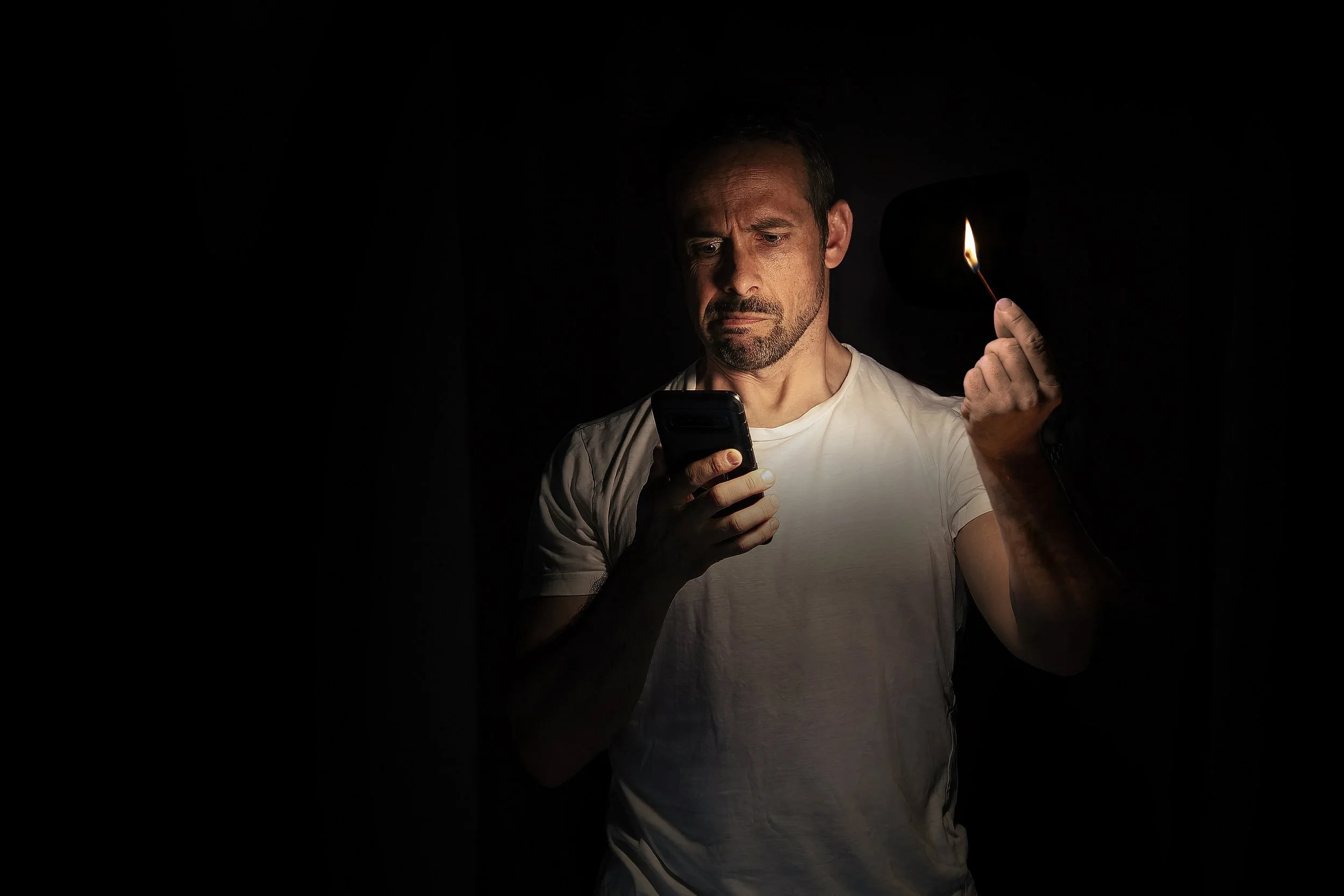
New research from NICEIC has highlighted concerning gaps in how prepared UK households are for electrical blackouts, with almost one in eight homes lacking even the most basic backup power essentials. The findings suggest that many people have either not considered the risks of a power outage or are failing to prioritise steps that could reduce its impact.
The research follows the UK Government’s Resilience Action Plan, published in July, which urges the public to prepare for an increasingly uncertain range of risks. These include severe weather, civil emergencies, infrastructure disruption, and other events that could affect daily life. As part of this guidance, households are encouraged to have emergency supplies in place, including backup power equipment.
Recent storms, such as Storm Amy and Storm Bram, have shown just how disruptive power cuts can be, leaving thousands of homes without electricity for extended periods. Despite this, NICEIC’s survey of 2,000 UK adults found that preparedness remains worryingly low. Nearly half of respondents (45 per cent) do not own a torch, while almost three quarters (74 per cent) lack a battery-powered or wind-up radio. More than half (57 per cent) also do not have a power bank to keep essential devices charged for communication.
Safety during a power outage is another major concern. One in five people said feeling vulnerable or unsafe would be among their top worries, with younger adults aged 16–24 most likely to feel concerned about personal safety. This age group was also more likely to worry about the risk of fire or electric shock.
Despite these concerns, over a third of respondents said lighting candles would be one of their first actions during a power cut. While candles may seem like a quick solution, they significantly increase fire risk—particularly if left unattended or used in multiple rooms.
The research also revealed a lack of awareness around protecting electrical appliances during a blackout. Power surges, especially during thunderstorms, can cause serious damage to home electrics. Lightning strikes near a property can send sudden, extreme surges through power lines and electrical systems, potentially destroying connected appliances.
However, 82 per cent of respondents did not consider damage to home electrics and appliances to be a top concern during a power cut. Fewer than one in five people said they would prioritise unplugging large appliances, and only 18 per cent would do the same for smaller devices.
Instead, the public’s primary concern is food spoilage, with over half (54 per cent) worrying about the contents of their fridge or freezer. This is followed by concerns over losing heating and hot water (34 per cent). When faced with a power outage, 43 per cent of people said they would first check whether their neighbours were affected, while 42 per cent would immediately report the issue to their electricity provider.
The findings highlight a clear need for greater awareness around power cut preparedness, electrical safety, and the simple steps households can take to reduce risk during an outage.