

ChargeUK Calls for Urgent Action to Unlock Electric HGV Charging and Decarbonise UK Freight
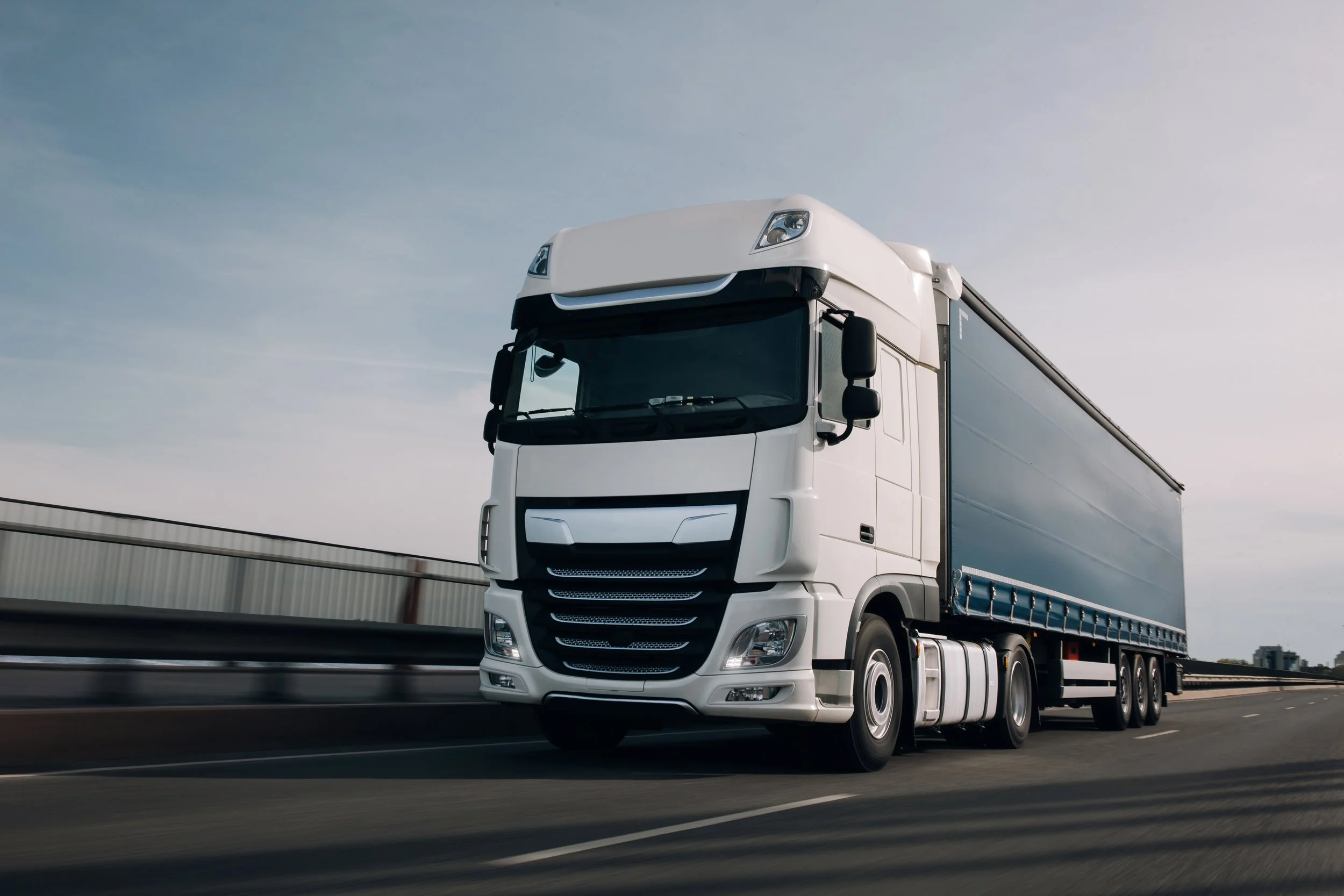
The UK’s EV charging industry association ChargeUK has published a new plan calling on Government and industry to work together to unlock progress in decarbonising the freight sector.
According to ChargeUK, the electrification of heavy goods vehicles (HGVs) is currently stalled by a “chicken and egg” problem. Fleet operators and vehicle manufacturers are hesitant to invest in electric HGVs without sufficient charging infrastructure in place, while charge point operators are reluctant to build that infrastructure without confidence that vehicles will follow.
HGVs play a vital role in the UK economy, moving around 80% of all goods nationwide. Yet despite making up just over 1% of vehicles on the road, they account for approximately 16% of the UK’s domestic transport emissions. At present, there are only around 1,000 electric HGVs registered in the UK—roughly 0.2% of the total fleet—well below the level needed to meet the Government’s commitment to end the sale of new diesel HGVs by 2040.
In its new paper, Electrifying Freight: A roadmap for electric HGV charging, ChargeUK highlights how progress in freight electrification lags far behind passenger vehicles. While lessons can be learned from the transition to electric cars, the organisation warns that the challenges in freight are significantly greater due to higher vehicle costs, more complex charging infrastructure, and the commercial pressures faced by logistics operators.
To address these barriers, ChargeUK sets out three key recommendations for Government. The first is to unlock infrastructure investment by creating a dedicated HGV charging infrastructure fund, accelerating grid connections for charging sites, and recognising renewable electricity within the Renewable Transport Fuels Obligation. The second focuses on providing market certainty through a clear regulatory framework that supports electrification and aligns UK technical and regulatory approaches with European standards. The third recommendation aims to close the cost gap for fleet operators by enabling electricity crediting for depot charging, tackling high electricity prices, and increasing upfront support to reduce the total cost of ownership.
Commenting on the report, ChargeUK’s Head of Policy and Public Affairs, Jarrod Birch, said it is understandable that logistics providers are cautious about transitioning before a strong business case is in place. He noted that, as with passenger vehicle electrification, the charging sector is prepared to invest ahead of demand—but only if there is confidence that demand will grow through clear policy and commercial signals.
He added that while the UK faces a steep challenge in meeting its 2040 target, the charging sector is committed to working alongside Government and industry to drive the rapid growth in electric HGV adoption that will be required.
Thinking of Becoming a Qualified Electrician?
At OPTIMA, we provide comprehensive electrical training courses that equip you with the skills, qualifications, and confidence to work safely and legally in this vital industry. Whether you’re just starting out or looking to expand your qualifications, our accredited training programmes will give you the knowledge, confidence, and credentials to meet new building standards and market demand.
By enrolling with OPTIMA, you’ll:
✅ Earn industry-recognised qualifications that are respected and trusted by employers across the UK.
✅ Benefit from hands-on, practical training delivered in a supportive, career-focused environment.
✅ Learn from expert instructors who bring real-world, on-site experience into the classroom.
✅ Access our ‘Pathway to Placement’ support, designed to help you confidently move from training into paid employment.
✅ Join an essential, future-proof trade with long-term demand and excellent career prospects.
Contact us today to embark on your training journey.
Contact us: Request Information
Email: info@optima-ect.com
Freephone +44 800 0371572