

Britain’s £70bn Grid Upgrade: What Could It Mean for Electricians?
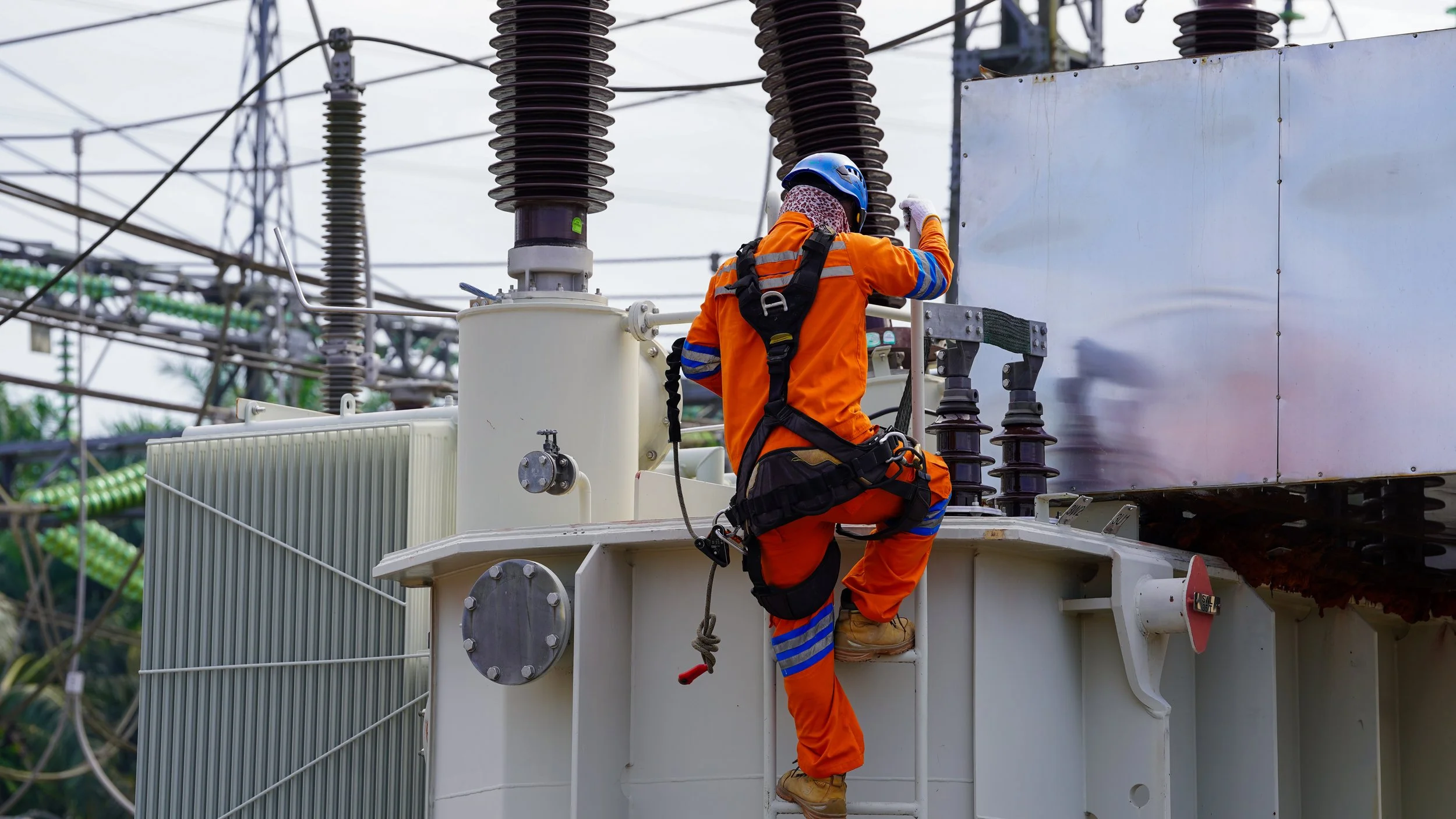
Britain’s electricity network is facing one of its biggest periods of change in decades, with billions of pounds of investment needed to upgrade the infrastructure that carries electricity around the country.
A new report from the National Audit Office (NAO), published in September, highlights the scale of the challenge. Ofgem estimates that electricity transmission investment could exceed £70 billion between 2026 and 2031, as Britain works to expand and modernise its network.
For the electrical industry, this isn't simply a story about pylons and power lines. It points towards a much wider programme of infrastructure development – and the people with the electrical and engineering skills needed to deliver it.
Why does the grid need upgrading?
The way Britain generates and uses electricity is changing.
More electricity is being generated from renewable sources such as offshore and onshore wind and solar. At the same time, increasing electrification of transport, heating and industry – alongside growing demand from areas such as data centres – is placing new demands on the network.
The National Energy System Operator (NESO) expects electricity demand to increase by more than 30% by the mid-2030s.
Much of Britain's electricity infrastructure was not originally designed for this changing pattern of generation and consumption. Renewable energy can be generated a considerable distance from the homes, businesses and industries that ultimately need the power, meaning greater transmission capacity is required to move electricity efficiently around the country.
A major programme of infrastructure work
The scale of the planned work is significant.
NESO has previously identified 80 critical transmission projects needed to support the transition towards clean power by 2030. Its latest longer-term planning also recommends a further 43 network projects for development during the 2030s.
Meanwhile, reforms are underway to tackle another major challenge: the number of energy projects waiting to connect to the electricity network.
In June 2026, NESO and electricity network companies announced that more than 700 ready-to-go energy projects had received connection offers as part of a reformed system designed to prioritise projects capable of progressing. Together, these projects represented around 37GW of additional electricity capacity.
Thousands of kilometres of new electricity lines and cables will also be required as the network develops.
What could this mean for electrical jobs?
Large-scale investment doesn't automatically translate into a particular number of electrician vacancies, and the transmission network involves many different occupations and specialist disciplines.
However, delivering infrastructure on this scale will require a substantial workforce across electrical engineering, construction, installation, maintenance and associated trades.
Projects may involve work connected with:
Substations and switchgear
High-voltage infrastructure
Cable installation and jointing
Protection and control systems
Earthing systems
Testing and commissioning
Renewable energy connections
Network maintenance and upgrades
There will also be work throughout the wider supply chain, from manufacturing electrical equipment and components to construction and ongoing maintenance.
Ofgem has described the planned expansion of Britain's electricity networks as having “no modern precedent”, with investment between 2024 and 2030 expected to be around four times the recent annual rate.
Not every opportunity will be at transmission level
For someone currently training as an electrician, a £70 billion transmission programme may sound a long way removed from everyday electrical installation work.
But the bigger picture is important.
Changes to Britain's energy system don't happen in isolation. New renewable generation, substations, battery storage, EV infrastructure, commercial developments and industrial electrification all create additional electrical work at different levels of the supply chain.
Some roles will require specialist qualifications and considerable experience, particularly where high-voltage systems are involved. Others may create opportunities for electricians, electrical improvers, mates and other workers supporting larger projects and contractors.
For learners entering the industry now, it is another reminder that an electrical career can lead in many different directions beyond traditional domestic installation.
Electrical skills for a changing energy system
The electrical industry is already evolving rapidly. Renewable energy, battery storage, EV charging, smart technology and growing electricity demand are changing both the type and scale of work being carried out.
Britain's planned grid investment adds another dimension to that picture.
The NAO has warned that delivering the required transmission upgrades at the necessary speed will be challenging. But the scale of the programme also demonstrates something important for anyone considering an electrical career: electrical infrastructure will play a central role in how Britain develops over the coming decades.
For today's electrical learners, developing strong core installation skills and gaining real workplace experience remains the priority. Over time, however, those foundations can open the door to a much broader range of sectors – including some of the major infrastructure projects that will shape Britain's future energy network.
Thinking of Becoming a Qualified Electrician?
If you're interested in learning a skilled trade, why not train to become a certified professional?
At Optima, we provide comprehensive electrical training courses that equip you with the skills, qualifications, and confidence to work safely and legally in this vital industry.
Whether you’re just starting out or looking to expand your qualifications, our accredited training programmes will give you the knowledge, confidence, and credentials to meet new building standards and market demand.
✅ Hands-on training
✅ Industry-recognised certifications
✅ Expert instructors with real-world experience
✅ Courses tailored to upcoming regulations
Contact us today to embark on your training journey.
Contact us: Request Information
Email: info@optima-ect.com
Freephone +44 800 0371572