

UK Electrical Skills Gap Deepens as Apprenticeship Starts Fall
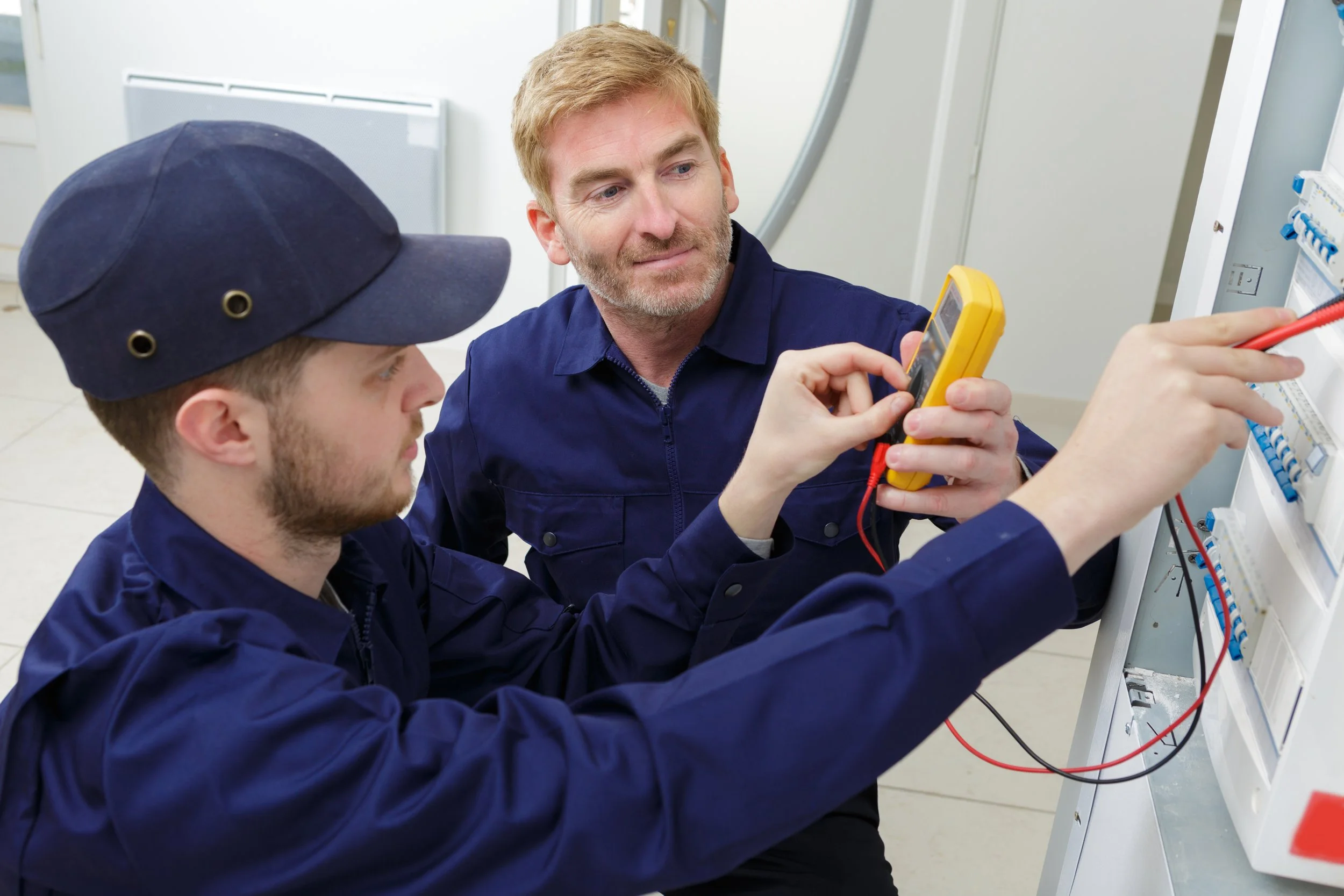
New analysis from the Electrical Contractors’ Association (ECA) reveals that the UK’s electrical skills gap is widening at precisely the moment demand for qualified electricians is accelerating.
The ECA’s 2026 Electrical Skills Index highlights a structural imbalance in the skills system: while interest in electrical careers is growing, the pathway from training to qualified employment is increasingly fractured. A 5.5% fall in electrical apprenticeship starts over the past year stands in stark contrast to rising demand driven by electrification, infrastructure upgrades, and net zero commitments.
The warning is clear: without urgent reform, Government ambitions on economic growth, clean power and workforce expansion risk falling short.
According to Skills England projections, the UK will require an additional 12,000 electricians by 2030. Yet the primary work-based route into the profession is shrinking.
Luke Cook, ECA Skills Deputy Chair, stated:
“The electrical skills gap is no longer a future risk — it is a live and growing threat to the delivery of electrification. Demand for electricians is surging, but the number of people entering the industry through apprenticeships is going backwards.”
Andrew Eldred, Deputy Chief Executive Officer at ECA, added:
“In ECA’s 125-year history, we have never seen a gap so wide between ambition and workforce reality. We are training more people but producing fewer qualified electricians, at the exact moment the country needs them most.”
Structural Barriers Facing SMEs
The Index demonstrates that the issue is not a lack of learner interest. Instead, the bottleneck occurs at the transition into employment.
Small and medium-sized enterprises (SMEs), which train and employ the majority of apprentices, face rising:
Training costs
Compliance burdens
Supervision requirements
Commercial risk
Andy Hawes, CEO of 24-7 Group, commented:
“Apprenticeships are the foundation of a resilient and future-ready electrical sector. They equip new entrants with practical skills and safety-critical knowledge. However, high training costs, regulatory demands, and the time required for quality supervision remain real barriers for many businesses.”
Without targeted support for employers, classroom participation alone will not solve the crisis.
What Needs to Change
ECA is calling for an employer-led reset of the electrical skills system, recommending:
Rebalancing funding toward employment outcomes
Placing employers at the centre of training design
Reducing financial risk for SMEs
Strengthening apprenticeship delivery support
Aligning national and regional policymaking
Unless employment pathways are prioritised, participation will continue to rise while qualified output falls.
Optima’s Response: Turning Training Into Employment
At Optima Electrical Training, this national challenge is something we actively work to address.
With training centres across:
Greater London
The Midlands
Greater Manchester
Scotland
Taunton
The North East (opening August 2026)
Optima delivers structured electrical training aligned to industry standards and employer demand.
However, qualification alone is not enough.
Introducing the Pathway to Placement Programme
Optima’s Pathway to Placement scheme was designed specifically to tackle the disconnect between training and employment.
The programme:
Supports learners in securing relevant on-site work experience
Connects employers with work-ready candidates
Guides learners through NVQ portfolio development
Provides structured onboarding and compliance support
Bridges the gap between classroom training and qualified status
By working directly with employers and supporting both sides of the process, Pathway to Placement ensures that training translates into tangible career progression.
A Call to Action
The electrical skills gap is not a theoretical problem. It is an immediate delivery risk to the UK’s electrification strategy and economic growth plans.
If you are:
An employer seeking reliable, work-ready trainees
A learner committed to becoming a qualified electrician
A regional stakeholder looking to strengthen workforce supply
We invite you to work with Optima Electrical Training.
Together, we can convert ambition into qualified electricians — and ensure the industry has the workforce it urgently needs.
To learn more about our Pathway to Placement programme or partner with us, contact Optima Electrical Training today.
Thinking of Becoming a Qualified Electrician?
At OPTIMA, we provide comprehensive electrical training courses that equip you with the skills, qualifications, and confidence to work safely and legally in this vital industry. Whether you’re just starting out or looking to expand your qualifications, our accredited training programmes will give you the knowledge, confidence, and credentials to meet new building standards and market demand.
By enrolling with OPTIMA, you’ll:
✅ Earn industry-recognised qualifications that are respected and trusted by employers across the UK.
✅ Benefit from hands-on, practical training delivered in a supportive, career-focused environment.
✅ Learn from expert instructors who bring real-world, on-site experience into the classroom.
✅ Access our ‘Pathway to Placement’ support, designed to help you confidently move from training into paid employment.
✅ Join an essential, future-proof trade with long-term demand and excellent career prospects.
Contact us today to embark on your training journey.
Contact us: Request Information
Email: info@optima-ect.com
Freephone +44 800 0371572