
Hard Hat Awareness Week 2026: Why Head Protection Matters More Than Ever
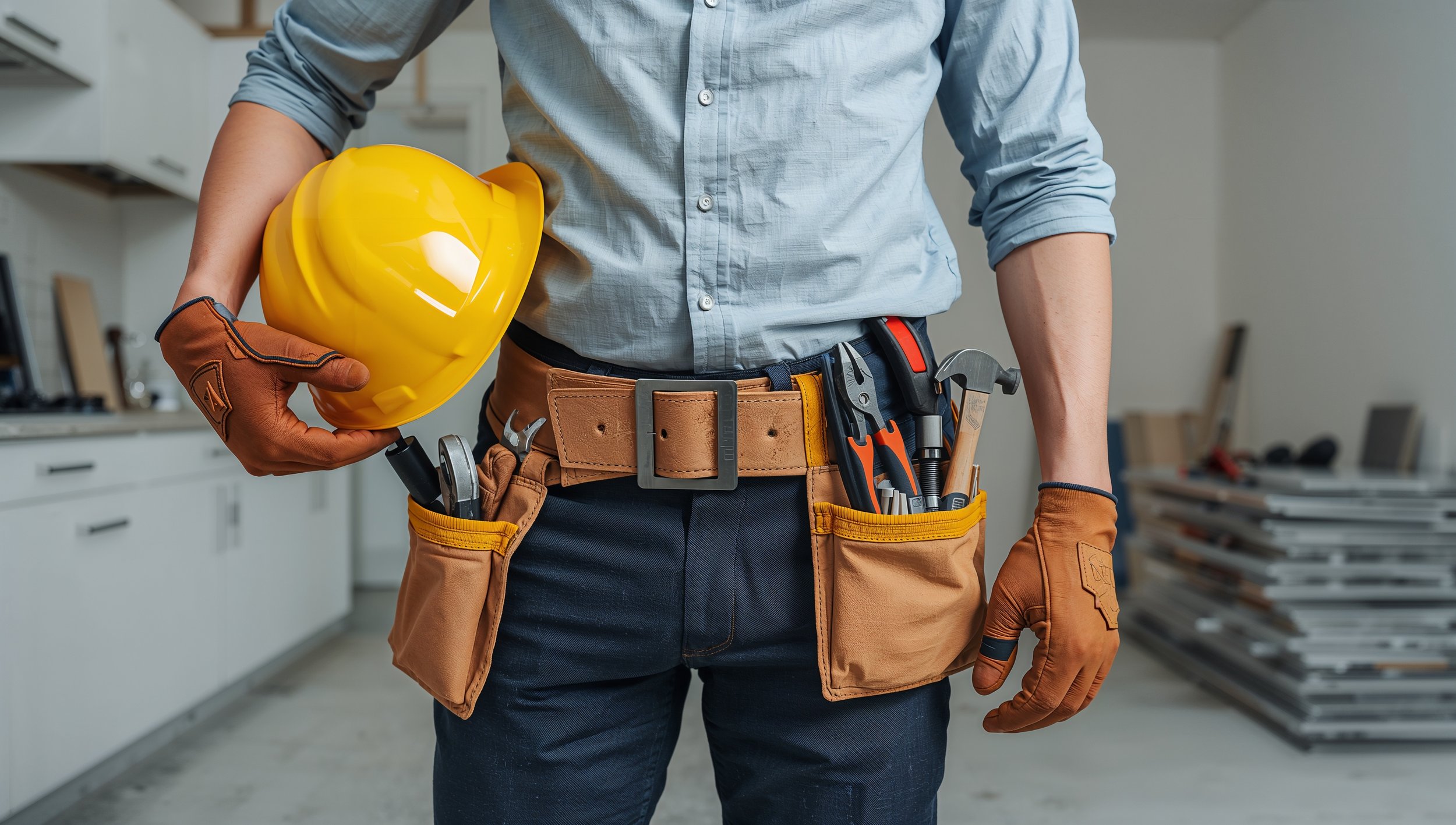
Hard Hat Awareness Week aims to raise awareness of brain injuries, improve understanding of head protection and encourage best practice when using safety helmets and hard hats.
Now in its sixth year, the 2026 campaign, from 8–14 June, brought together safety professionals, manufacturers, employers and charities to highlight the potentially life-changing consequences of head injuries in the workplace. Hard Hat Awareness Week
For electricians, construction workers and other tradespeople, hard hats are among the most familiar items of personal protective equipment (PPE). However, the campaign stresses that simply wearing a hard hat is not enough. Regular inspection, correct storage, proper fitting and replacing damaged or expired helmets are all essential steps in ensuring head protection remains effective. What is Hard Hat Awareness Week?
A key message of Hard Hat Awareness Week is that even a seemingly minor knock to the head can have serious consequences. Campaign organisers and the brain injury charity Headway are encouraging workers to report all head impacts, seek medical advice where appropriate and allow sufficient recovery time before returning to work. The campaign also aims to increase awareness of concussion and rotational brain injuries, which can occur even when a hard hat is being worn correctly. Headway and Hard Hat Awareness Week
The real-world impact of workplace head injuries is illustrated by the story of former military medic Jez Stevens, who suffered a traumatic brain injury after becoming trapped beneath a dumper truck during a construction accident. Despite sustaining life-changing injuries and spending three months in a coma, Stevens believes his hard hat and adherence to site safety procedures helped save his life. He now uses his experience to promote the importance of following safety rules and wearing appropriate PPE at all times. Jez Stevens' Story
The importance of this message is clear. According to Headway, around 1.3 million people in the UK are living with the effects of an acquired brain injury. Many experience challenges with memory, concentration, communication and mental wellbeing, which can have a significant impact on both personal and working lives. While not all of these injuries occur in the workplace, construction remains one of the industries where workers face an increased risk of serious head injuries due to the nature of the environment. Headway: Understanding Brain Injury
Electrical work often takes place on construction sites, industrial facilities and commercial projects where multiple trades are operating simultaneously. Falling tools, materials, equipment and unexpected hazards can all present risks to workers. Properly fitted and maintained head protection remains one of the simplest and most effective ways of reducing the risk of serious injury.
For those entering the electrical industry, the message is simple: good safety habits developed early can stay with you throughout your career. Whether you're working on domestic installations, commercial projects or major infrastructure developments, protecting your head is ultimately about protecting your future.
Optima is proud to be a Corporate Sponsor of Headway, the Brain Injury Association