


Shortage of Tradespeople Slowing London’s Housebuilding Ambitions
London’s housing crisis is being intensified by a shortage of skilled tradespeople, with demand far exceeding supply. This is causing delays in construction and repairs, impacting buyers through longer wait times, delayed move-ins, and cancelled purchases.
The gap is also affecting housing targets, with delivery falling well below expectations. Rising costs, safety concerns, and a lack of new talent are driving workers away from the capital.
Without greater investment in training and workforce development, the skills shortage will continue to restrict housing supply.

UK Launches £1 Billion Youth Employment Drive: What It Means for Young People and Employers
The UK government has launched a £1 billion+ youth employment drive to tackle rising unemployment among young people, with nearly 1 million currently not in education, employment, or training.
Key measures include a £3,000 grant for businesses hiring 18–24-year-olds on Universal Credit, new foundation apprenticeships for 16–21-year-olds in sectors like hospitality and retail, and a £2,000 incentive for SMEs to take on apprentices.
These reforms aim to create up to 200,000 jobs and strengthen pathways into employment for the next generation.

Will AI Take My Job? Understanding the Changing Nature of Work
As artificial intelligence continues to reshape many industries, people are increasingly asking whether AI could replace their job. While automation can perform repetitive digital tasks, many careers rely on practical skills, problem solving, and hands-on expertise that technology cannot easily replicate. Skilled trades such as electrical work require professionals to diagnose issues, install systems, and ensure safety in real-world environments where every situation is different. As buildings become more advanced with renewable energy, smart systems, and modern electrical infrastructure, the demand for qualified electricians continues to grow, making it a resilient and future-focused career path.

Low carbon cement & AI powered emissions tracking, Inside Amazon’s first UK ‘net zero’ delivery station
Construction has begun on Amazon’s first UK delivery station designed to operate at net zero carbon emissions, marking a significant step in the decarbonisation of logistics infrastructure. The project integrates low carbon concrete to reduce embodied emissions at source, alongside AI powered carbon tracking systems that monitor construction activity in real time. Designed for high operational efficiency, the facility will incorporate rooftop solar generation, air source heat pumps and electric vehicle charging infrastructure to support Amazon’s growing EV fleet. Together, these measures position the scheme as a practical example of how material innovation, digital monitoring and electrified operations can converge to deliver next generation, low carbon industrial buildings in the UK.

Microsoft Celebrates 100% Renewable Electricity Milestone
Microsoft has reached a significant sustainability milestone, successfully matching 100% of its annual global electricity consumption with renewable energy, a target first set in 2020 as part of its wider commitment to become carbon negative by 2030. Achieved through large scale, long term Power Purchase Agreements across 26 countries, the company has contracted 40 gigawatts of new renewable capacity, helping bring substantial additional clean energy onto global grids. More than a symbolic achievement, this milestone reflects a strategic shift toward infrastructure backed decarbonisation, reduced reliance on short term certificate markets, and a forward looking transition toward 24, 7 carbon free energy sourcing. As electricity demand continues to rise, driven in part by rapid AI expansion, Microsoft’s approach signals how major organisations can pair digital growth with credible, system level energy transformation.

Why Retraining as an Electrician Could Be the Smartest Career Move You Make
Retraining as an electrician is a smart career move, offering future proof technical skills, strong national demand and resilience in an increasingly AI driven economy. As the UK invests in electrification, renewable energy, EV charging and smart technologies, qualified electricians remain essential to both domestic and commercial projects. With internationally recognised qualifications awarded by City & Guilds, you gain credentials respected across the UK and abroad, creating opportunities to work nationwide or overseas. The trade also offers real flexibility, from hands on installation and inspection work to office based design roles, alongside a clear pathway to self employment, business ownership and long term income growth.
UK Electrical Skills Gap Deepens as Apprenticeship Starts Fall
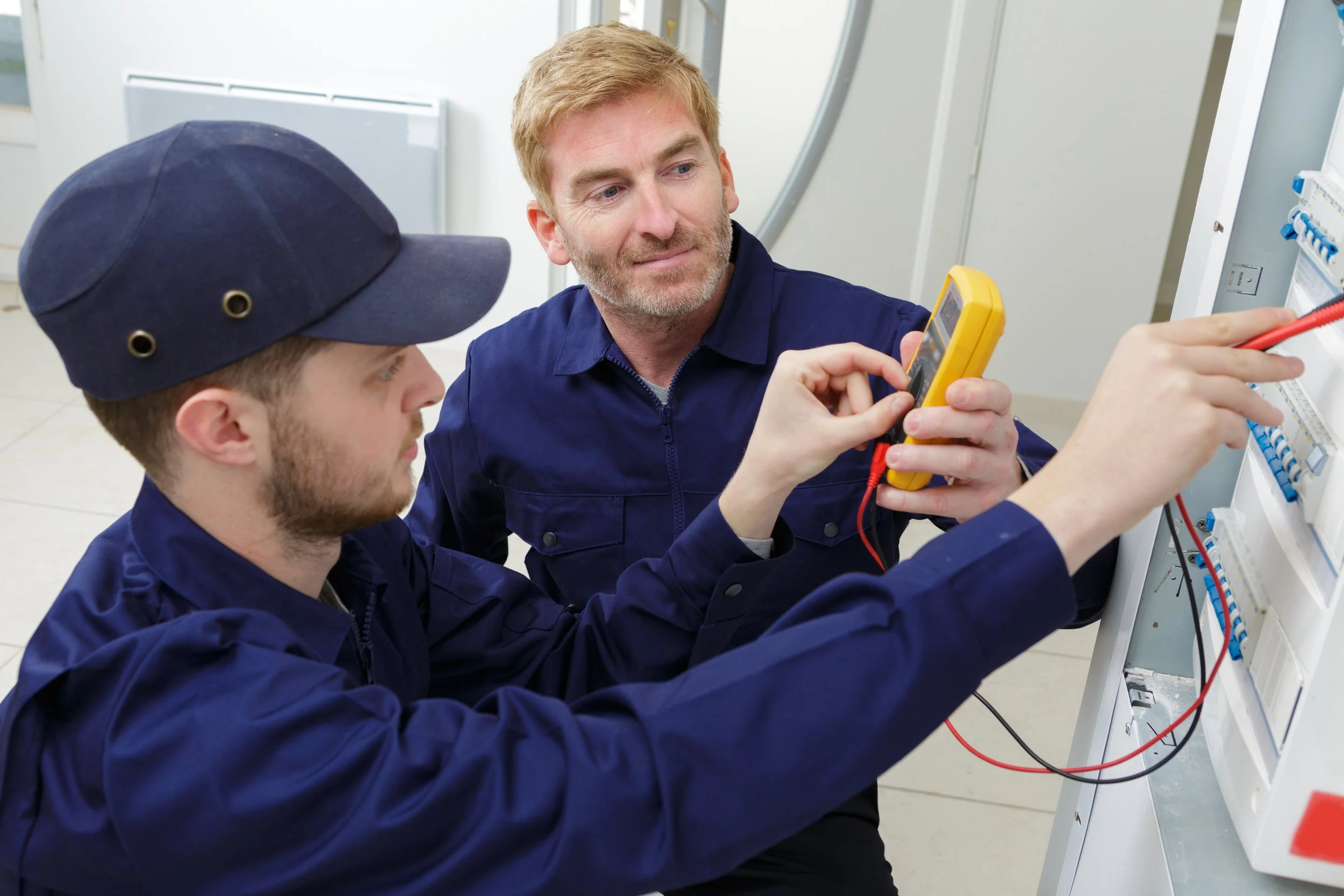
New data from the Electrical Contractors’ Association shows electrical apprenticeship starts have fallen by 5.5%, despite rising demand for qualified electricians. With the UK needing an additional 12,000 electricians by 2030, the gap between training and employment is widening.
At Optima Electrical Training, our Pathway to Placement programme bridges the gap between qualification and employment. With centres across London, the Midlands, Greater Manchester, Scotland, Taunton and the North East, we connect learners with real on-site opportunities and support employers with work-ready trainees.
Ready to take the next step? Get in touch today.

Electricians and Welders Named the UK’s Best Apprenticeship Routes for 2026
Electricians and welders have been named among the UK’s top apprenticeship routes for 2026, with average salaries closely aligned to the national median and strong long-term career prospects. If you’re considering a secure, well-paid career without university debt, now is the time to act. Begin your journey into the electrical trade with OPTIMA and take the first step toward a future-proof profession.

EAS Changes 2026, What Every Electrician and Contractor Needs to Do Now
The updated Electrotechnical Assessment Specification, EAS, introduces major changes for UK electrical contractors ahead of the 1 October 2026 deadline. New requirements mean electricians carrying out inspection and testing must hold recognised Level 3 qualifications and demonstrate relevant experience, while defined low carbon work categories, including EV charging, solar PV, battery storage and micro wind, now require specific accredited training. These changes raise competence standards and tighten compliance expectations. Electrical businesses should review workforce qualifications now to avoid scope restrictions and ensure full compliance before enforcement begins.

The UK’s Warm Homes Plan: £15bn Strategy Signals Major Shift Towards Low-Carbon Housing
The UK Government’s £15 billion Warm Homes Plan sets out a major push to upgrade homes with low-carbon technologies such as heat pumps, solar, batteries and improved insulation. Industry has welcomed the ambition as a strong signal of commitment to decarbonising housing and reducing energy bills, while stressing that clear delivery details, long-term policy stability and simple access to funding will be essential for success.

BS 7671 Update Confirmed: Amendment 4 (The Orange Book) Available from April 2026
The IET has confirmed that Amendment 4:2026 to BS 7671 (the 18th Edition Wiring Regulations) will be published on 15 April 2026. Known as the Orange Book, the update introduces key changes reflecting modern electrical installations, including new requirements for battery energy storage systems, Power over Ethernet (PoE), functional earthing for ICT systems, and revised rules for medical locations. The amendment can be implemented immediately from publication, with the current standard remaining valid until October 2026.


A Fresh Start in 2026: Why Becoming an Electrician Could Be the Career Change You’ve Been Waiting For
As 2026 begins, more people across the UK are rethinking their careers in search of greater security, satisfaction, and long-term prospects. The electrical trade offers a practical, future-focused solution, with strong demand driven by housing growth, infrastructure investment, and renewable technologies. Electrical training follows a clear vocational pathway, offers flexible learning options, and provides strong earning potential, with opportunities for independence and progression. Whether you’re changing careers, upskilling, or working towards your Gold Card, electrical training offers a secure and rewarding path forward.

UK First as AI Power Infrastructure Takes a Major Step Forward
ABB and Ark Data Centres are installing the UK’s first medium-voltage uninterruptible power supply (UPS) system to support high-density AI workloads, marking a major step forward in data centre power infrastructure. Designed to handle the intense energy demands of artificial intelligence, the system offers improved efficiency, scalability, and resilience compared to traditional low-voltage UPS solutions, helping ensure reliable, uninterrupted power as AI-driven computing continues to grow across the UK.

ChargeUK Calls for Urgent Action to Unlock Electric HGV Charging and Decarbonise UK Freight
The UK’s EV charging industry association ChargeUK has published a new roadmap urging Government and industry to work together to unlock the electrification of the freight sector. The report highlights how progress is being held back by a “chicken and egg” challenge, with fleet operators reluctant to invest in electric HGVs without charging infrastructure in place, and charge point providers hesitant to build infrastructure without clear demand. With HGVs responsible for a significant share of transport emissions despite making up a small proportion of vehicles, ChargeUK sets out practical recommendations to accelerate investment, provide regulatory certainty, and reduce costs for operators in order to support the UK’s 2040 target to end the sale of new diesel HGVs.

Many UK Households Remain Unprepared for Electrical Blackouts, New Research Reveals
New research from NICEIC has revealed that many UK households remain unprepared for electrical blackouts, with almost one in eight homes lacking basic backup power essentials. The findings, released following the UK Government’s Resilience Action Plan, show that a significant number of people do not own key safety items such as torches, power banks, or battery-powered radios, and are not prioritising actions that could reduce risk during a power cut. Despite concerns around safety, particularly among younger people, over a third of respondents said they would rely on candles for lighting, increasing fire risk, while fewer than one in five would unplug electrical appliances to protect against power surges. Instead, most people focus on food spoilage, heating loss, and checking whether neighbours are affected, highlighting a wider need for improved awareness around power cut preparedness and electrical safety.

Clean Energy Targets at Risk Without Major Workforce Investment, Committee Warns
A parliamentary committee has warned that the Government will only meet its clean energy and decarbonisation targets if there is significant investment in the UK workforce, clearer policy direction for industry, and a stronger role for local authorities. Stephen Melton, Director of Commercial and Compliance at NAPIT, said the UK needs around 250,000 additional workers to meet housing targets alone, with further demand driven by retrofit and renewable projects. The Climate Change Committee estimates up to 725,000 new jobs could be created in the next four years, highlighting major opportunities for electricians and installers, while reinforcing calls from Bill Esterson for long-term policy certainty, clearer guidance on environmental levies, and the swift delivery of the Warm Homes Plan.

Grid Upgrades Strengthen the UK’s Electricity Network
Recent investment in the UK’s electricity grid is strengthening capacity and resilience as demand continues to grow. National Grid has energised new circuits as part of the London Power Tunnels 2 project, a major upgrade designed to modernise underground transmission and improve reliability across the capital. Meanwhile, UK Power Networks has invested £3.3 million in a new 97-tonne transformer at its Tunbridge Wells substation, increasing local capacity and supporting electricity supplies for around 32,000 homes, highlighting the ongoing work needed to future-proof the network for housing growth and electrification.

Women in the Electrical Industry: Why Female Electricians Are Vital to the Trade
Women remain significantly underrepresented in the UK electrical trade, yet they are increasingly needed to meet real customer and community needs, including households where residents feel safer with a female electrician and cultural or religious settings that prefer female tradespeople. Despite making up only a small percentage of the workforce, women are well suited to the role, which relies on technical knowledge, safety, and communication rather than physical strength. For adult learners and career changers, electrical training offers a practical, secure, and future-proof career with clear routes into employment and growing demand across the UK.
Becoming an Electrician in the UK: A Practical Guide to Your Training Options
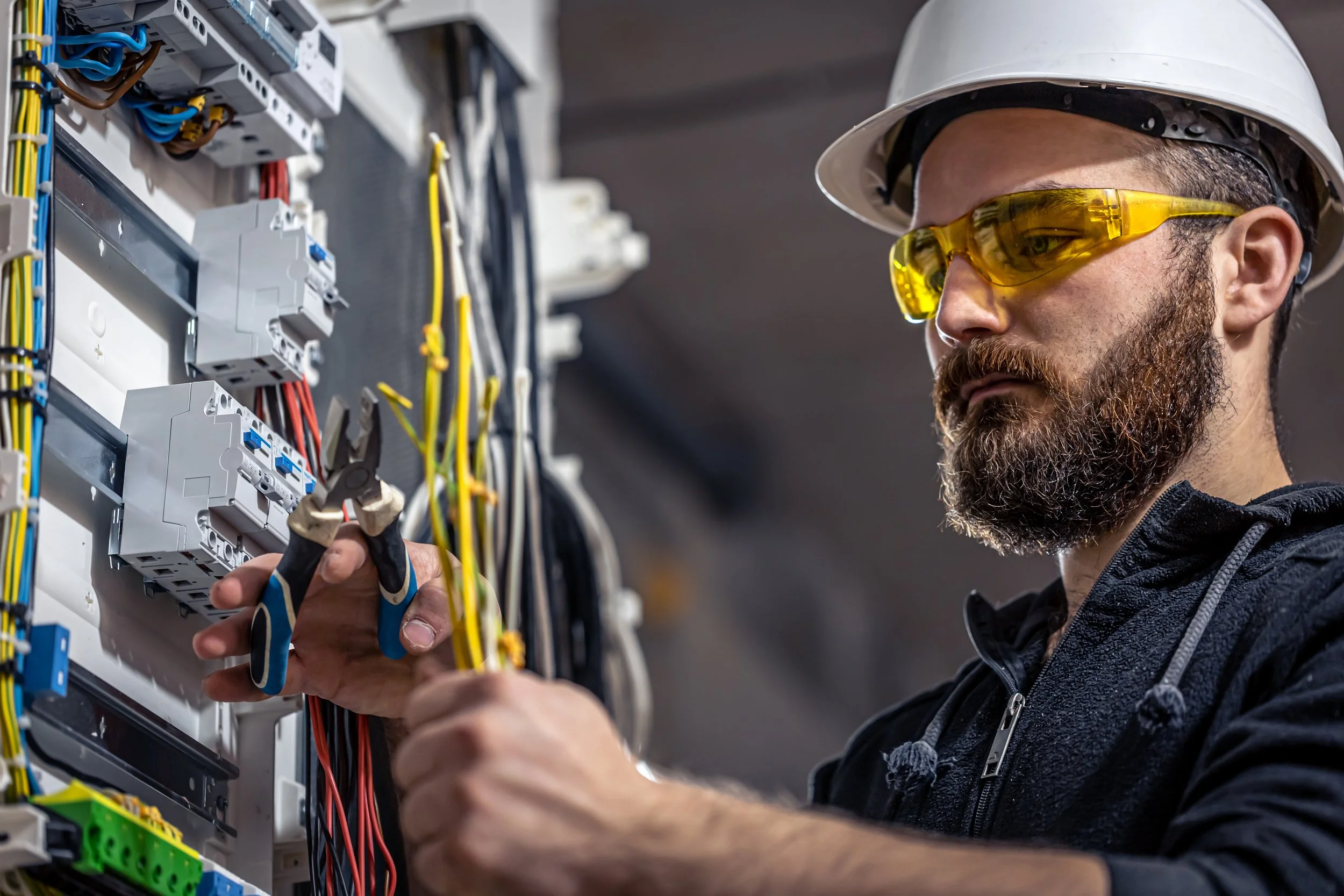
Becoming an electrician in the UK is a practical and rewarding career choice, offering long-term job security and strong earning potential. This article explores the two main routes into the electrical trade: the traditional apprenticeship pathway, which combines paid on-the-job training with classroom learning over around four years, and the private training (diploma) route, which is particularly well suited to adult learners and career changers. It explains how learners can start with Level 2 and Level 3 electrical diplomas, gain industry experience, and progress through the NVQ and AM2 assessment to become fully qualified. Whether you’re leaving school or retraining later in life, the article provides clear guidance to help you choose the right path into the electrical industry.